


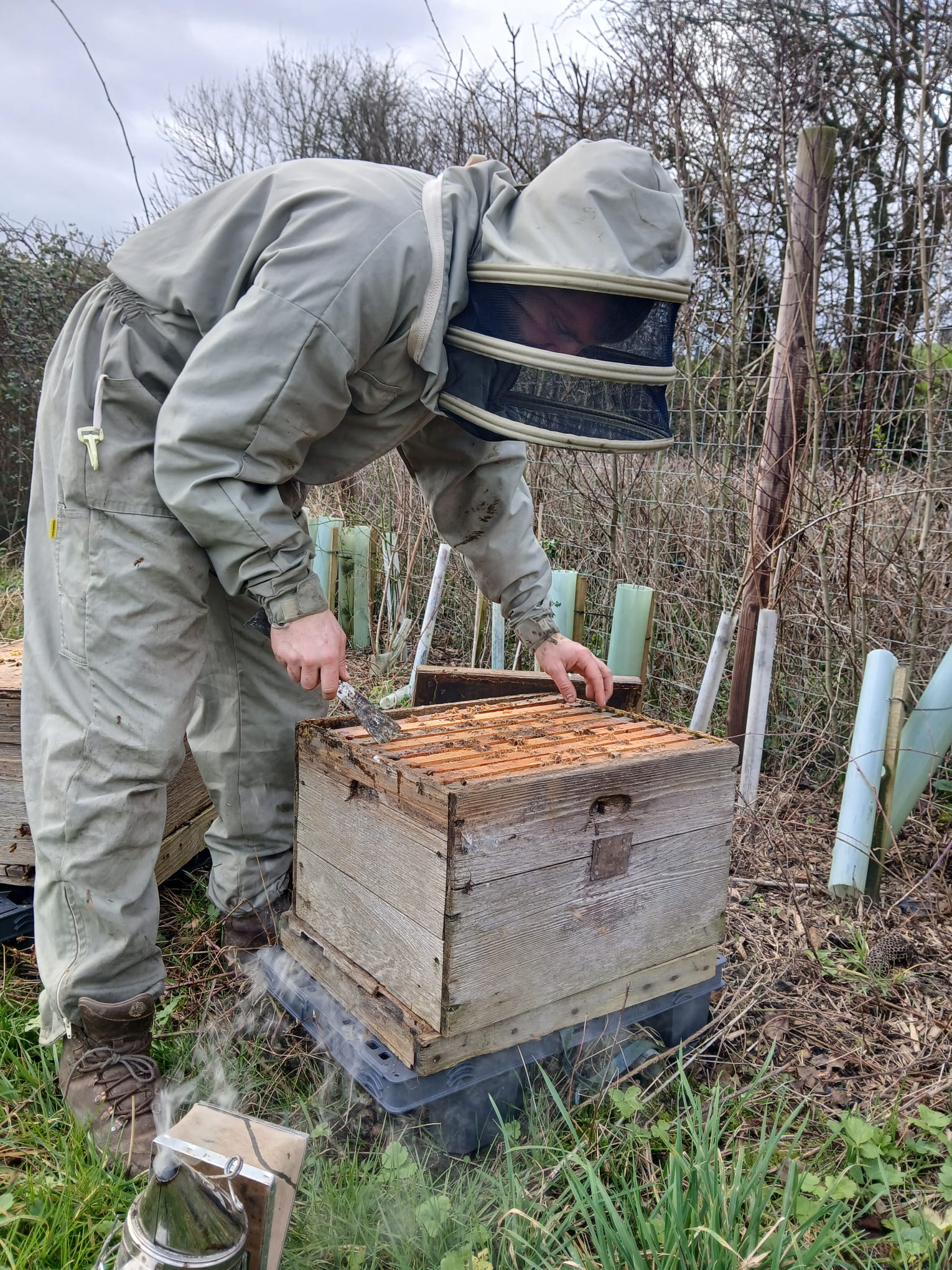
Winter could be mistaken as a quiet period for the bees.
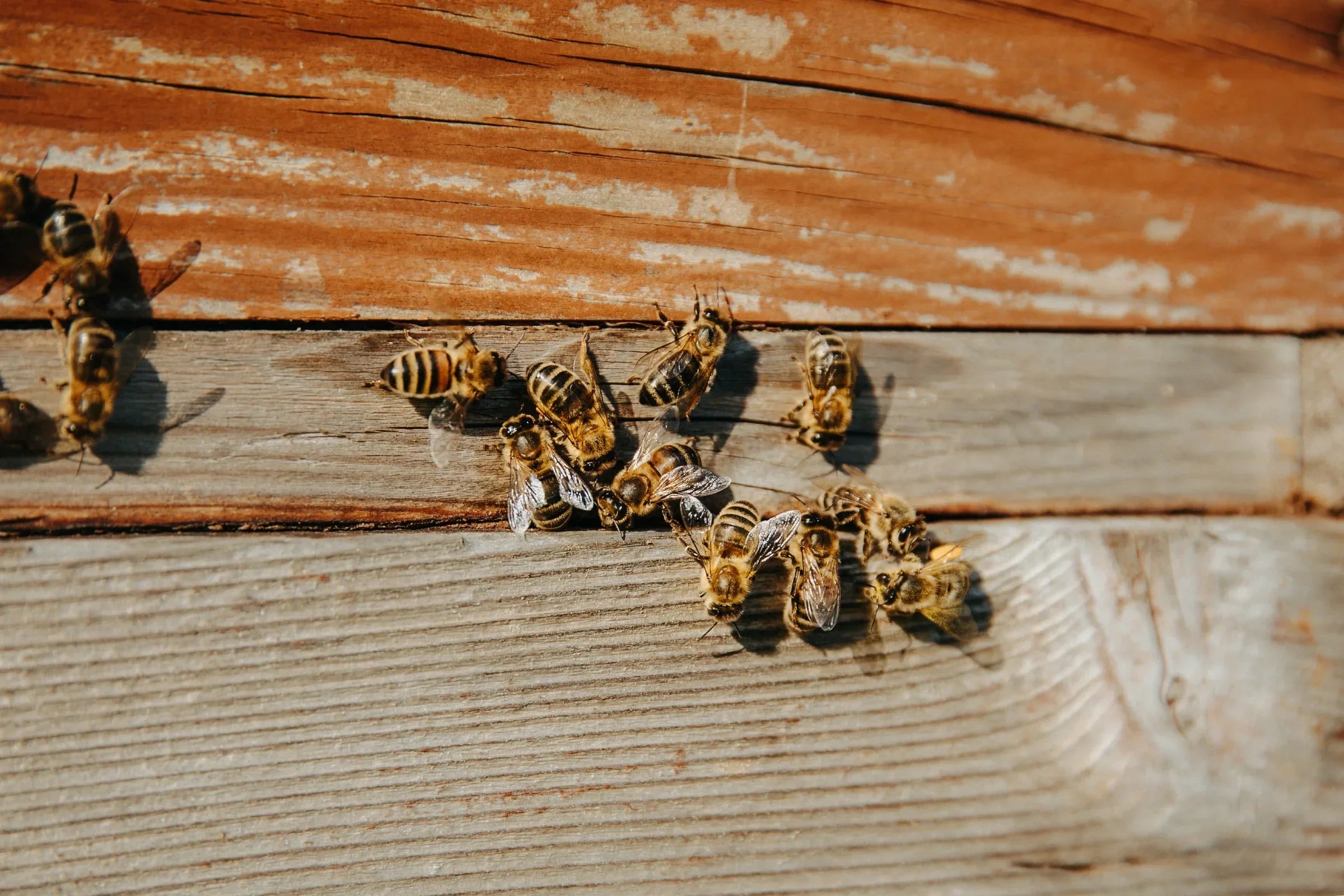
From the outside, the hive looks still. No foraging when the weather is cold. No movement.
But inside, the colony is very much alive and waiting for spring.
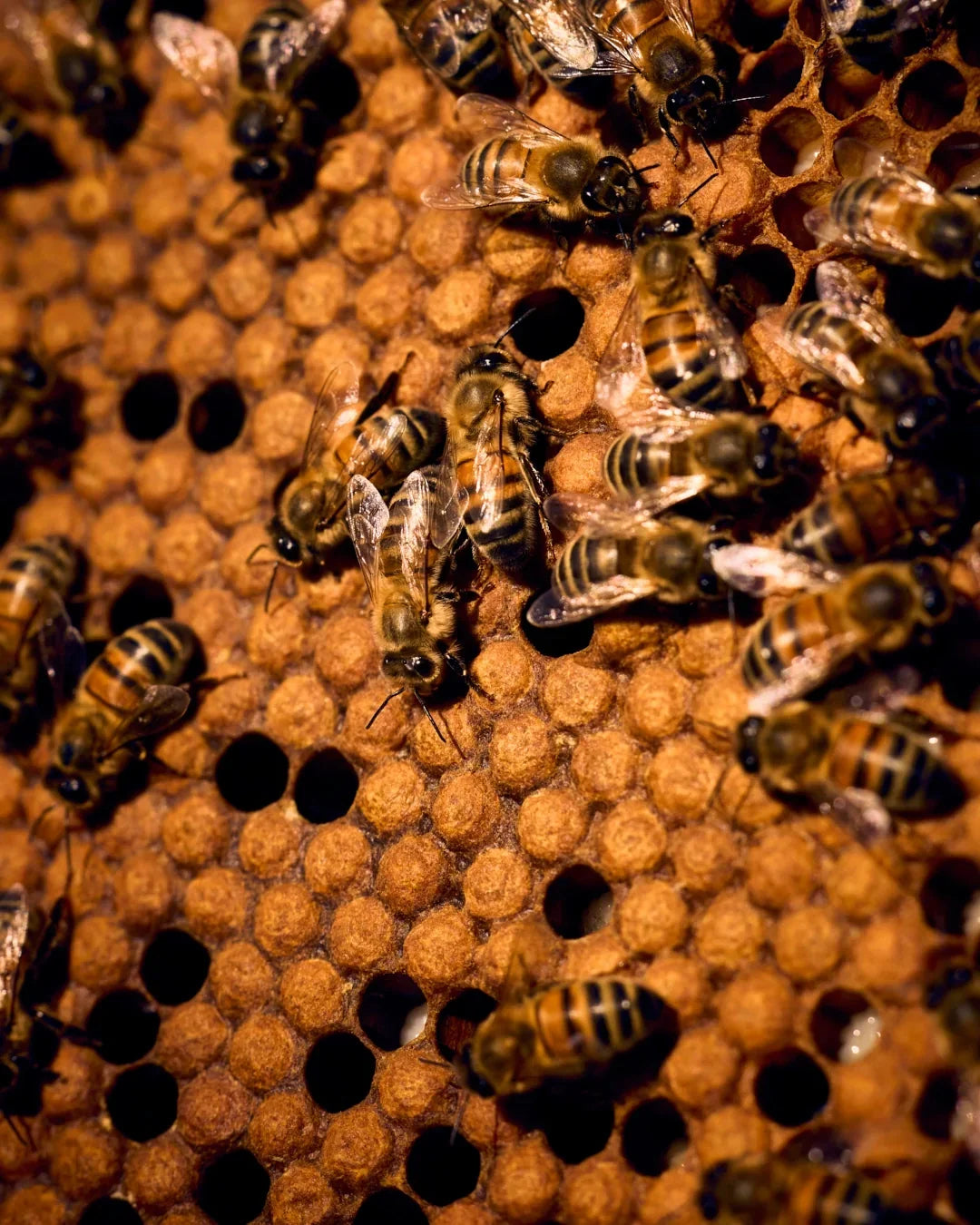
Bees cluster tightly together around their queen, sharing warmth and conserving energy. They take turns on the edge of the group, each doing a small part to protect the whole, like penguins on an iceberg. In the centre, new life is made, as the queen begins to lays eggs as the winter recedes and the days lengthen towards the end of January. This is a critical time for the bees as they eat a lot to keep the temperature in the core to 35°c.
To heat the hive, they eat their honey, like a high energy floral packed lunch saved from the summer and gathered by predecessors they will never meet, for just this purpose. This is why we prefer to leave them their own honey to eat and will only step in if they run out.
Inactivity on the outside doesn't mean that they are taking life easy
The old bees hand the baton of the stewardship of the hive to the new bees and another season begins, as it has since time immemorial. The struggle against the elements, the seasons and the balance between new life and death is real. Winter is a time when mistakes in the year show up. A late requeening leading to a weak colony going into Autumn means a small cluster, less heat generated and a really tough job to get through and rebuild. Poor honey flow caused by wet weather can mean they run out of honey at the critical time.
Every season has its use
There’s something reassuring in that. A reminder that rest has a purpose, and that quieter months still matter. The beekeeper shouldn't disturb the bees when the weather is below 12 degrees unless in an emergency. So they can possibly put their feet up, or else catch up on the tasks to get the season off to a good start: Painting, repairing, waterproofing and checking food levels (hefting the bees to check weight, more weight= more honey= happy bees), or reading and gaining knowledge to make the season a success.
At Hive Mind, winter is when our meads are doing their own quiet work.
Fermentation slows. Yeast settles. Time does what it does best. Like the hive, nothing is rushed and nothing is forced. Like the hive, our heating bills go up, and the chillers can be unplugged and given a break.
Good mead is made the same way strong colonies are built.
With patience, balance, and respect for the season. Preparation means you can go with the flow, safe in the knowledge that you have done what you can to improve the outcome.
If you’re taking things a little slower this month, a carefully made mead fits naturally into that rhythm. And if you are working hard with your eye on the warmer weather to come, you can take pride in the knowledge you are in tune with the seasons and just like our bees.






Share: