

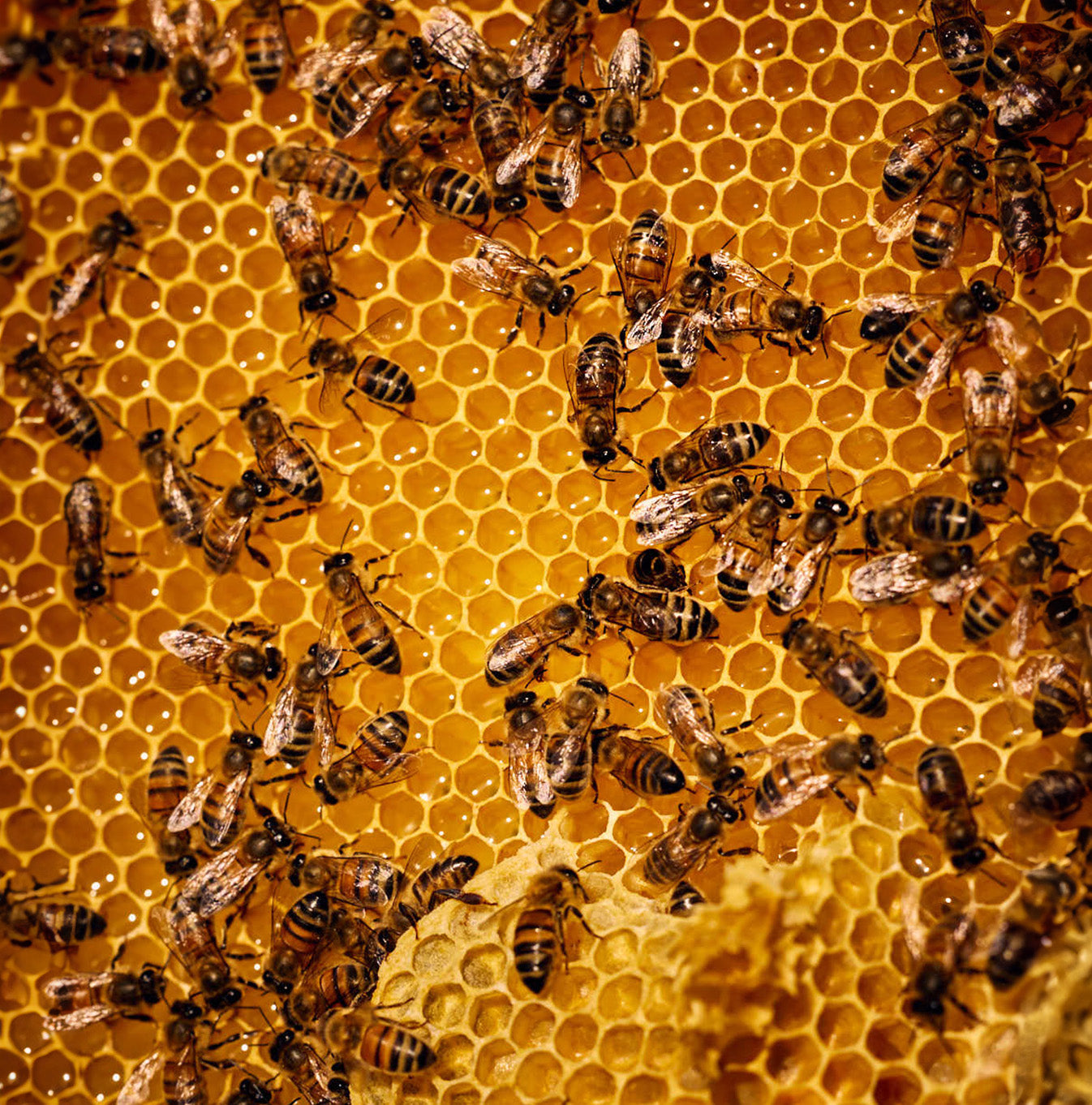
Bees (not just honeybees) are under pressure. Habitat loss, pesticides, pollution, and climate change are all making life harder for the tiny pollinators that keep our ecosystems thriving and our food growing.
The good news? You don’t need acres of wildflower meadows or a degree in ecology to make a difference. A few small changes at home can create a surprisingly bee-friendly space, whether you’ve got a sprawling garden, a tiny patio, or just a window box.
Here are five simple ways to help bees from home.
1. Take Part in No Mow May
Sometimes the best thing you can do… is absolutely nothing.
No Mow May encourages people to leave their lawns (or at least a strip of lawn) untouched during May, allowing wildflowers like dandelions, clover, and daisies to bloom naturally.
Those flowers are one of the first reliable food sources bees can find after winter, when nectar and pollen are often in short supply. A freshly cut lawn might look tidy, but to a bee it’s basically a food desert.
Even leaving a small section of your garden unmowed can have a big impact. And as a bonus, wild lawns tend to attract butterflies, birds, and other pollinators too.
Please use this as an excuse to put your feet up and observe the nature in your garden rather than getting the lawnmower out.
2. Plant Bee-Friendly Flowers
Not all flowers are equal when it comes to helping pollinators. Many ornamental garden plants are bred to look impressive for humans but produce little nectar or pollen for bees. The best bee-friendly gardens are packed with simple, open flowers that bees can actually feed from.
Some brilliant options include:
- Lavender
- Foxgloves (especially for bumblebees)
- Cornflowers
- Cosmos
- Sunflowers
- Rosemary
- Thyme
- Borage
Try to choose plants that flower at different times of year so bees have access to food from early spring through to autumn.
And if you can, go for native plants. Bees evolved alongside them for thousands of years they know exactly what to do.
Check out this article from the RHS about what to plant and when: https://www.rhs.org.uk/garden-inspiration/wildlife/top-10-garden-plants-for-specialist-bees
3. Avoid Pesticides and Weed Killers
Many common garden chemicals can be harmful to bees and other pollinators, especially insecticides containing neonicotinoids.
Even products labelled as “safe” can disrupt bees’ navigation, feeding behaviour, and ability to return to the hive.
Instead of reaching for chemical sprays:
- Pull weeds by hand (or embrace them!)
- Encourage natural predators like ladybirds
- Use companion planting to deter pests
- Accept that a perfectly flawless garden probably isn’t great for wildlife anyway
A few holes in your leaves are a fair trade for a healthy ecosystem.
4. Give Bees Somewhere to Drink
Bees need water just like everything else. Especially during hot weather.
The problem is that deep water sources can be dangerous for small pollinators. A simple bee watering station is easy to make:
- Fill a shallow dish or bowl with water
- Add pebbles, marbles, or corks for bees to land on
- Place it somewhere sheltered and sunny
- Keep it topped up regularly
It’s a tiny addition to your garden, but on a warm summer day it can become a very popular spot. Think of it as a pub garden for pollinators.
5. Build a Bee Hotel
Not all bees live in hives
In fact, most bee species in the UK are solitary bees, meaning they live alone rather than as part of a colony. Many of them nest in hollow stems, cracks in wood, or tiny holes in the ground , habitats that are becoming harder to find in modern gardens.
A bee hotel gives them a safe place to rest and lay their eggs.
You can buy one ready-made or build your own using natural materials like, bamboo canes, hollow plant stems, untreated wood with drilled holes, pine cones and bark.
Place it somewhere dry, sheltered, and sunny, ideally facing south or southeast so it is more sheltered in the winter.
It’s a simple addition to your outdoor space, but it can support dozens of solitary bees throughout the year.
Bonus tip - Buy From Brands That Support Bees (😉)
One of the easiest ways to help bees is by supporting businesses that actively contribute to pollinator health, habitat restoration, and sustainable beekeeping.
Small independent producers and ethical beekeepers often care deeply about protecting local ecosystems, because without healthy bees, none of this exists.
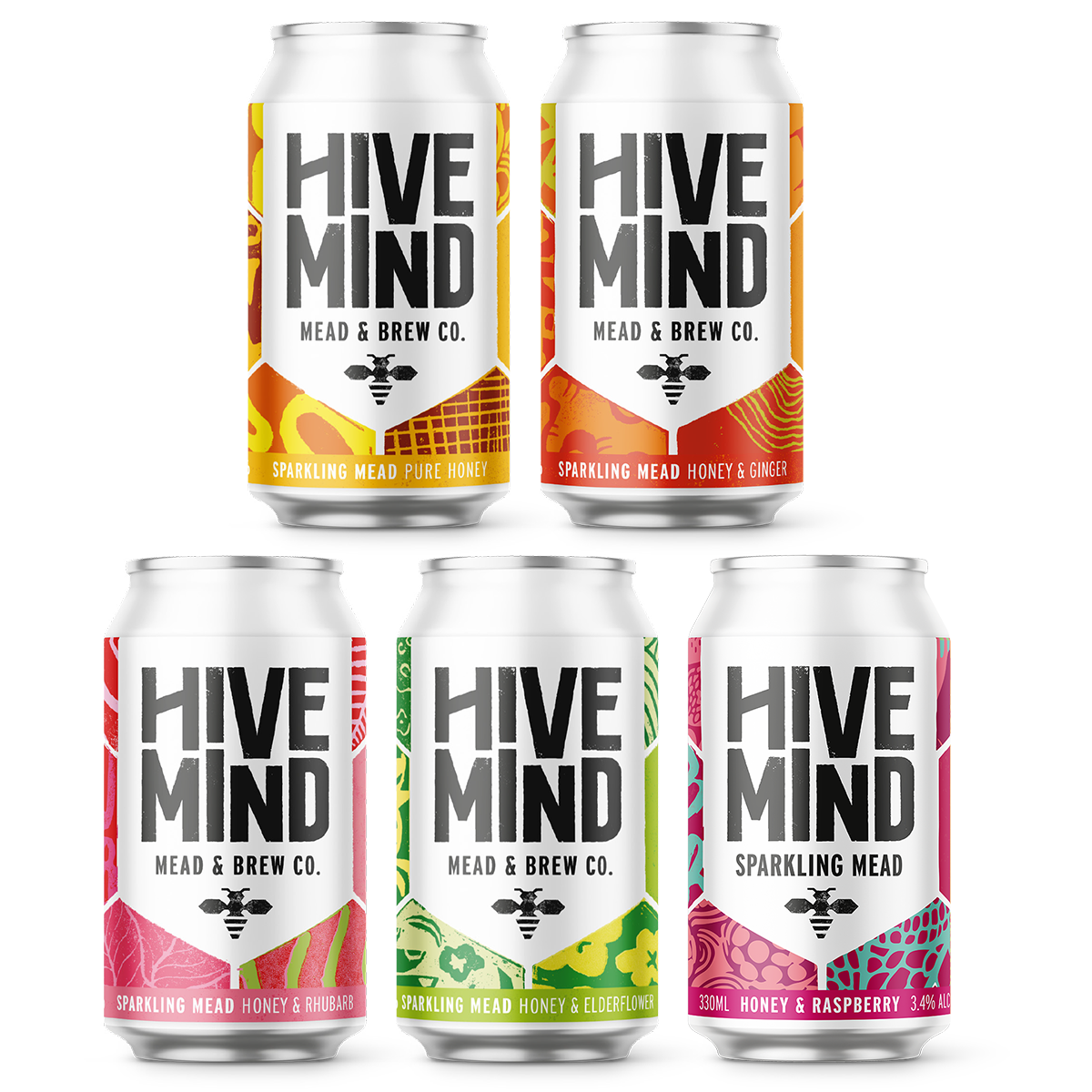
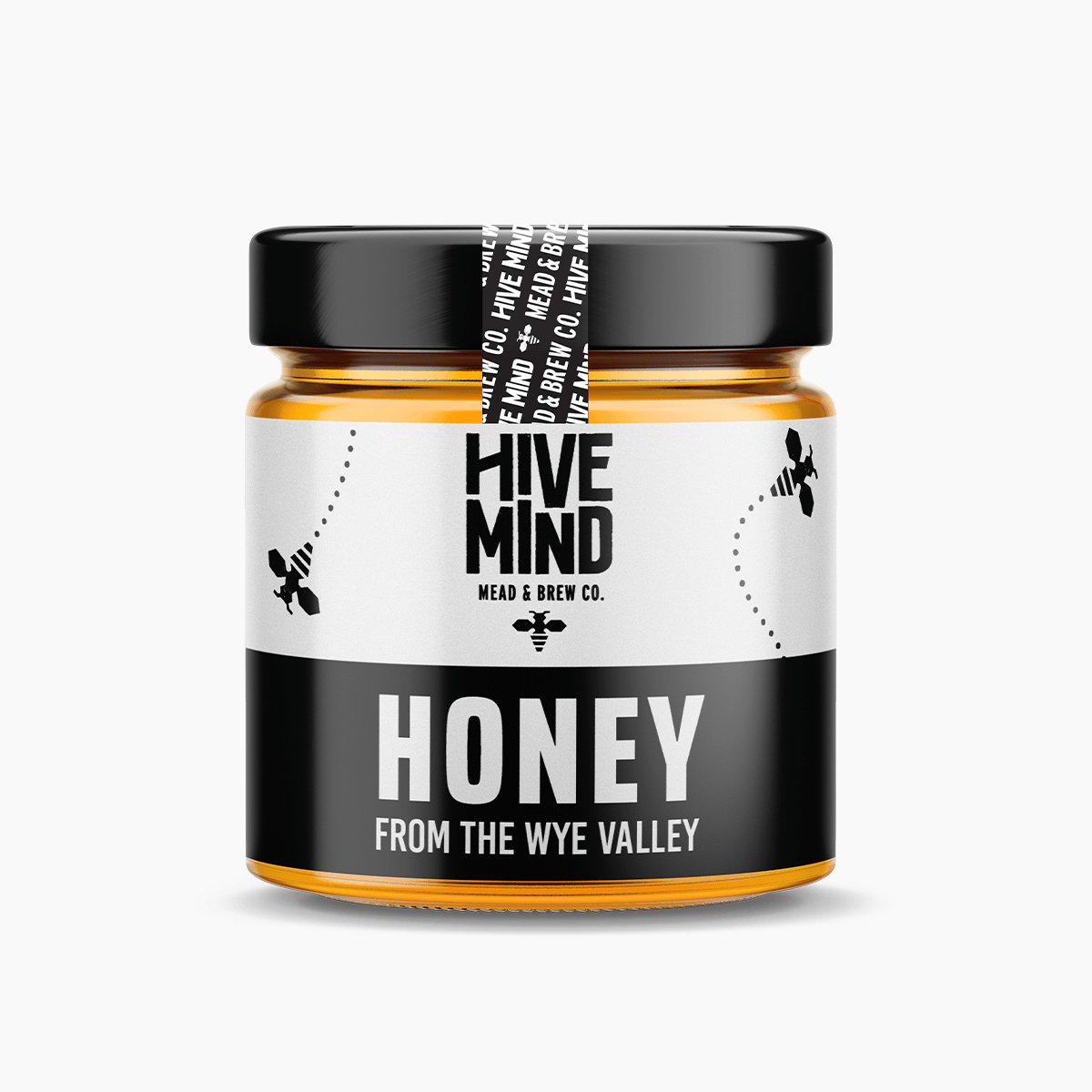
At Hive Mind Mead , bees are at the heart of everything we do. Mead starts with honey, and honey starts with thriving pollinators. Every bottle is a reminder that bees aren’t just important, they’re essential. Supporting bee-conscious businesses helps keep that relationship alive.
Every garden can help, you don’t need to “save the bees” on your own. But if enough people make small changes, the collective impact becomes enormous.
Simple things can make a big difference. The bees, and your garden, will thank you for it.
Why not count this May how many bees and pollinators you can spot, put in a few changes like the ones above, and then count again next year?




Share: