



As summers get hotter and heatwaves more frequent, it's not just people feeling the strain. Bees, and the honey and mead that depend on them, are also affected in ways that aren't always obvious. Here's what happens to a hive when temperatures spike, and how beekeepers help colonies cope.
Bees Are Surprisingly Good at Regulating Heat, Up to a Point
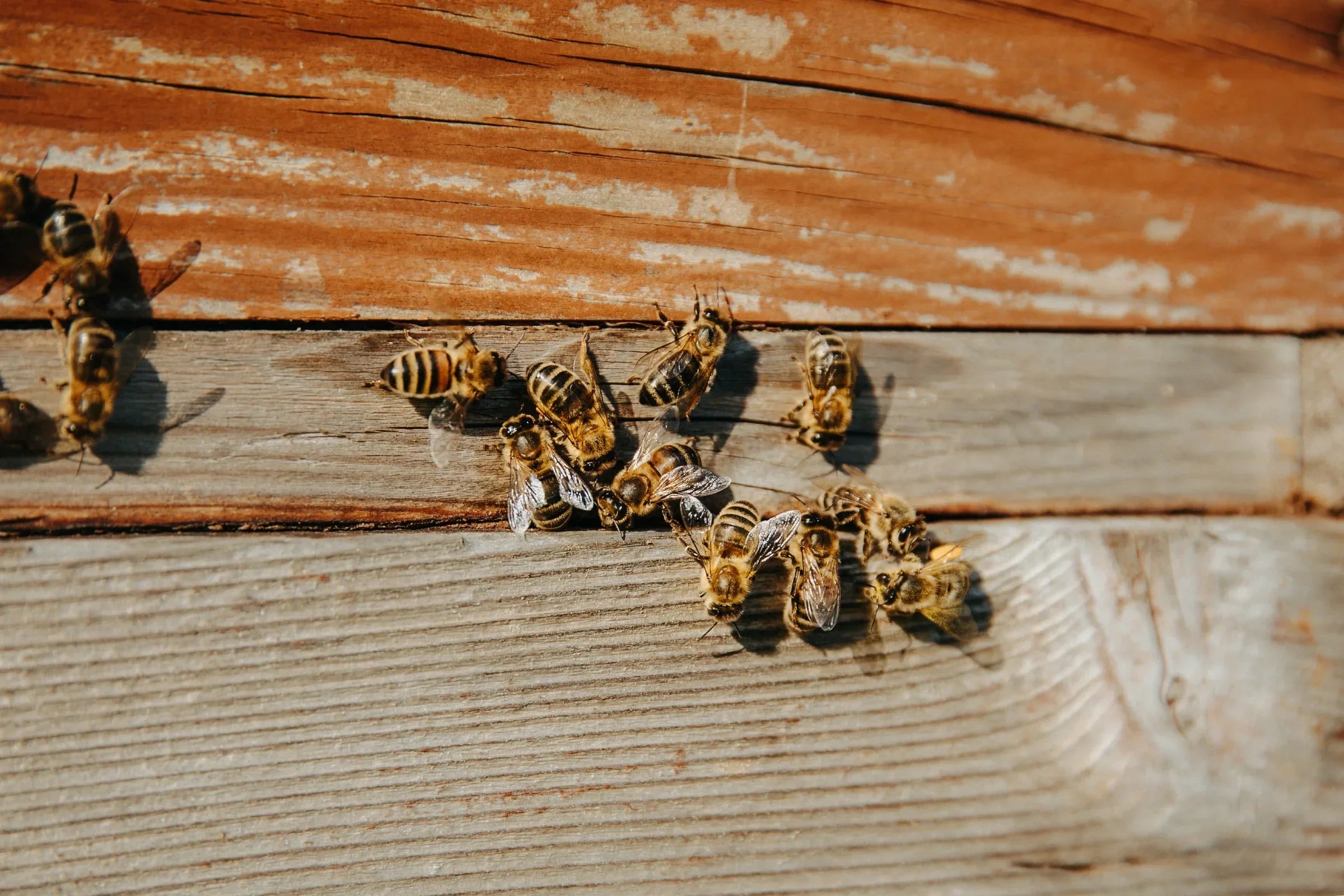
Honeybee colonies are remarkably skilled at temperature control. Worker bees fan their wings at the hive entrance to circulate air, and on hot days, others collect water and spread it across the comb, using evaporation to cool the hive much like an evaporative air cooler. The ideal temperature inside a hive sits around 35°C, warm enough to keep developing larvae healthy without overheating.
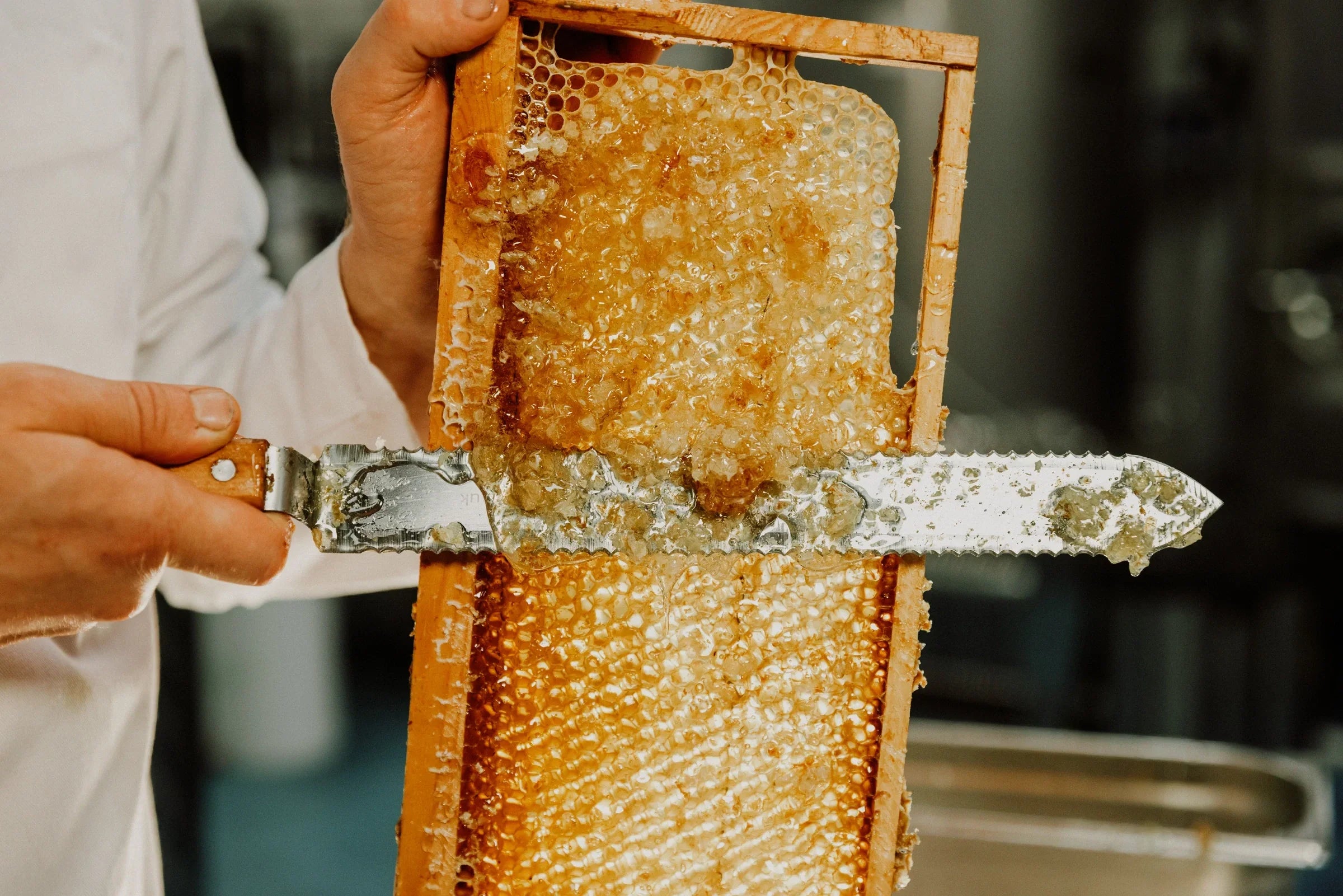
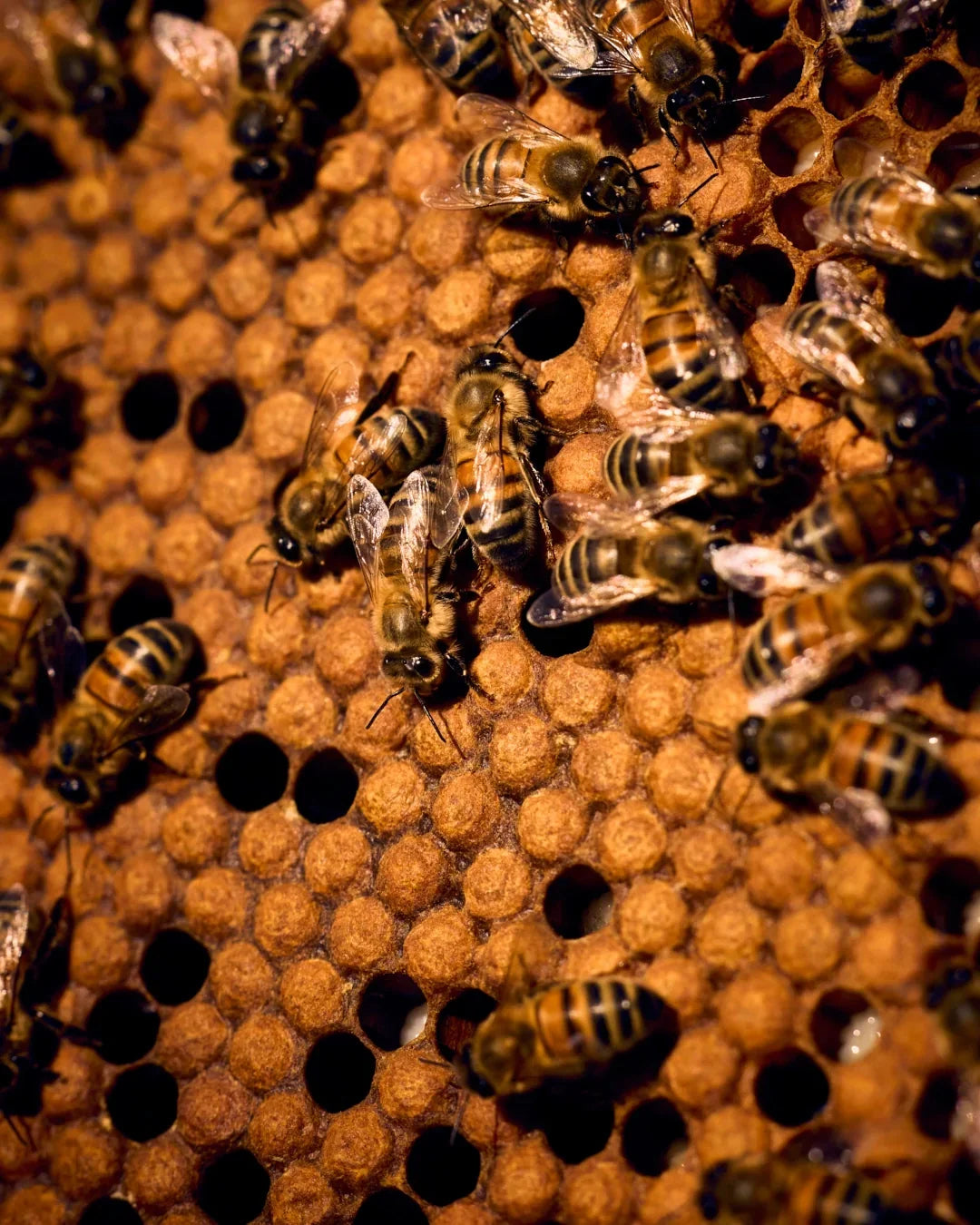
The trouble starts when outside temperatures climb high enough, often above 38–40°C, that these natural cooling mechanisms can no longer keep up. At that point, wax comb can begin to soften and even collapse, especially when heavily loaded with honey, potentially destroying stored food and developing brood in a single afternoon. Read more about how bees keep cool.
Foraging Becomes Riskier and Less Efficient
Heatwaves also change how, and when, bees can safely forage. Extreme heat forces bees to spend more time and energy on cooling duties inside the hive rather than collecting nectar and pollen outside. Foraging bees themselves are at risk of overheating and dying mid-flight during the hottest parts of the day, so many colonies shift activity to cooler early mornings or evenings, shrinking the effective foraging window.
At the same time, prolonged heat and drought stress flowering plants, reducing the nectar and pollen they produce. Less forage available, combined with a shorter window to collect it, can lead to real food shortages for the colony, even in the height of summer.
Water Becomes a Critical Resource
During heatwaves, water isn't a luxury for bees, it's essential for survival. Colonies need a steady water source both to cool the hive and to dilute honey for feeding larvae. Droughts and heatwaves that dry up natural water sources can force bees to travel further afield, increasing exposure to predators, pesticides, and exhaustion.
How Beekeepers Help Colonies Cope
Experienced beekeepers take practical steps to protect hives during extreme heat: providing shaded hive locations, ensuring accessible water sources nearby, improving ventilation within the hive, and monitoring closely during heatwave periods to catch problems early. These small interventions can make the difference between a colony that thrives through summer and one that struggles to recover. Learn more about beekeeping in Spring.
Why This Matters to Us
At Hive Mind Mead, healthy bees and thriving hives are the foundation of everything we make. As heatwaves become more common, supporting resilient, well-cared-for colonies isn't optional, it's essential to protecting the honey behind our mead for years to come.
Learn more about our approach on our Beekeeping and Sustainability pages.






Share: