
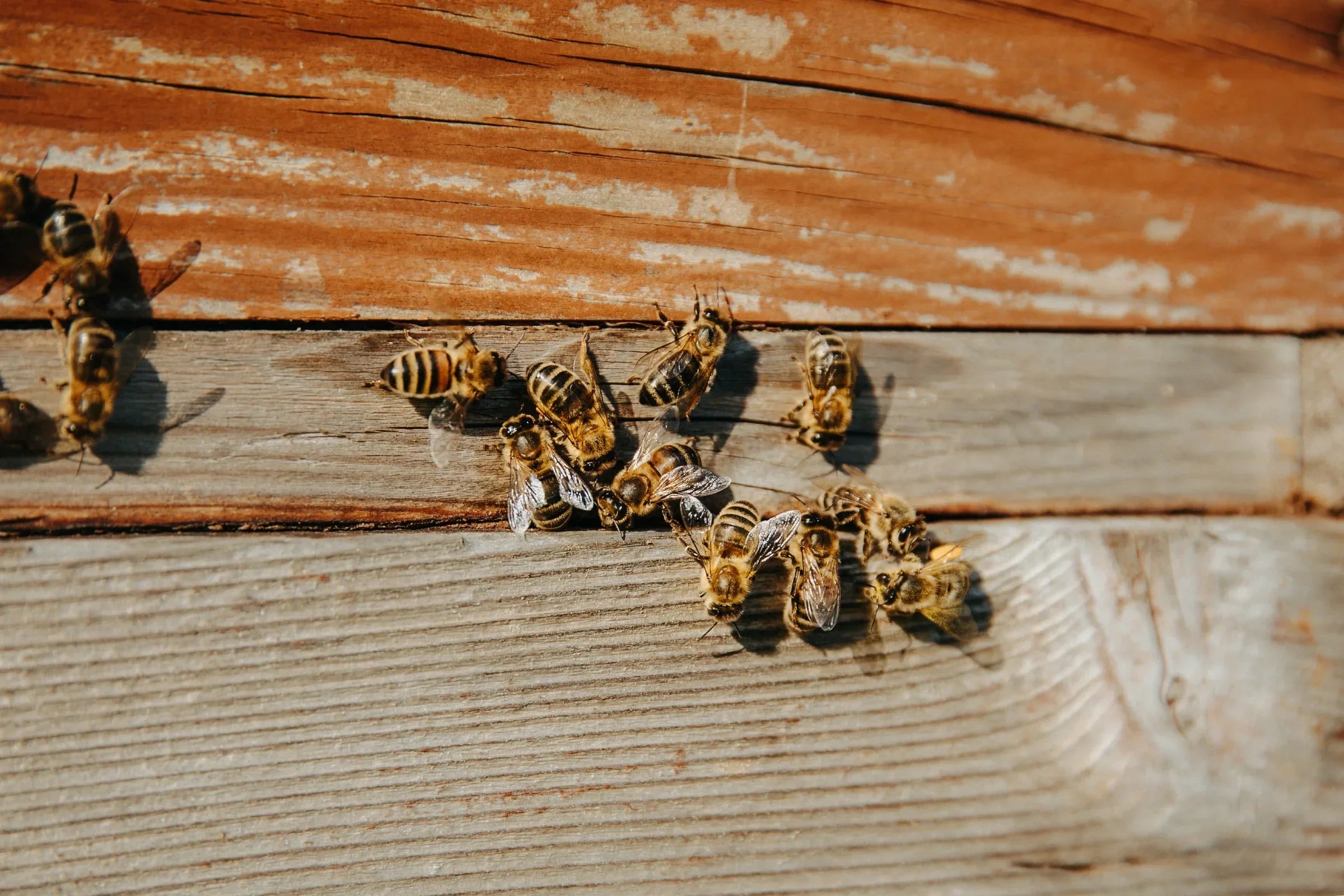
Bees pollinate roughly a third of the food we eat, and every drop of honey behind our mead starts with them. So it's no surprise people are asking: are bees endangered, and what can any of us actually do about it? Here's what the science says, and some simple ways to help.
Are Bees Endangered?
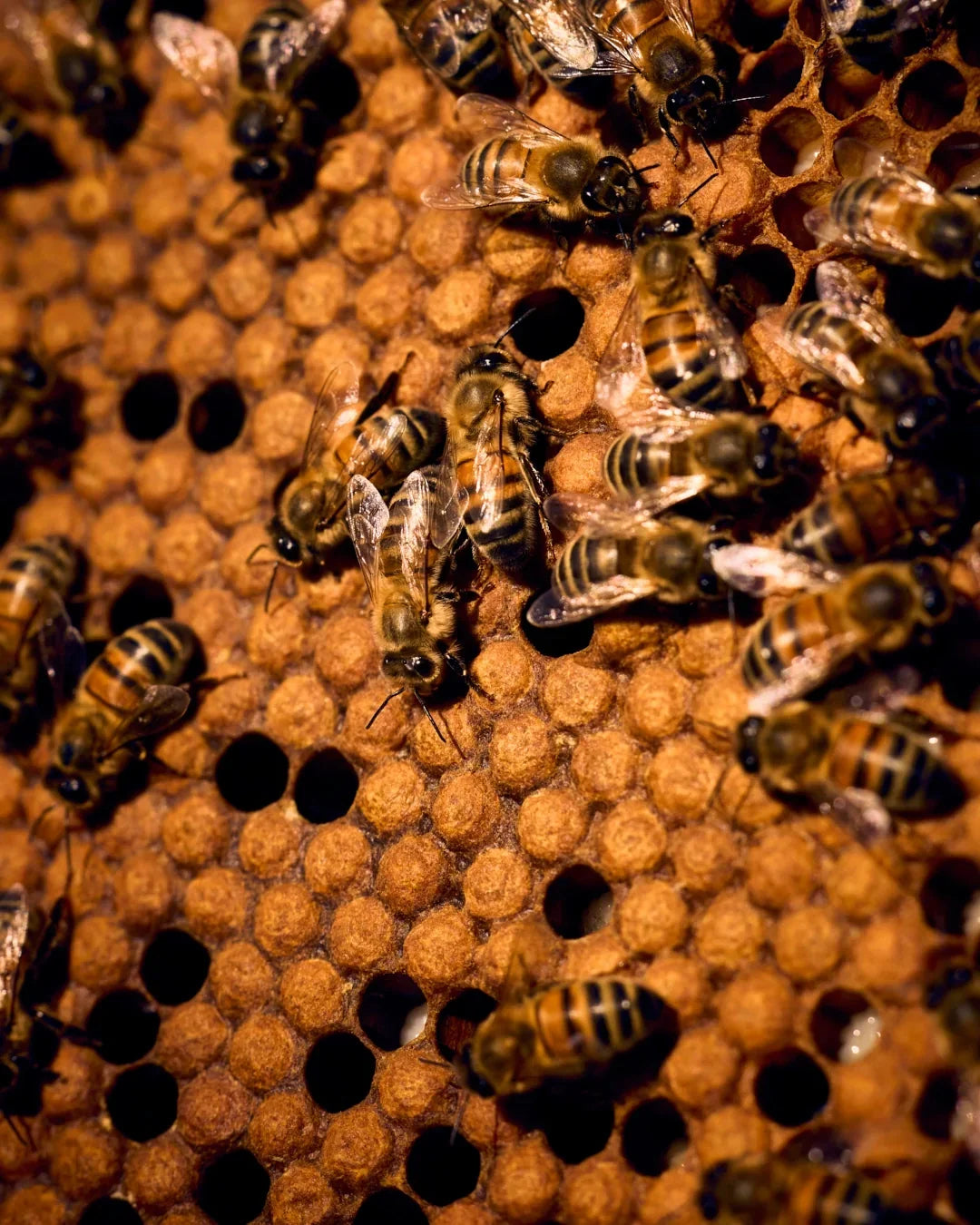
The honest answer is: it depends which bees you mean. The Western honeybee — the species behind virtually all commercial honey and mead — isn't classified as endangered globally, since it's a managed species kept by beekeepers worldwide. But honeybee colonies are under serious pressure.
Beekeepers across the UK and US have reported significant colony losses year after year, driven by a mix of pesticide exposure, parasites like the varroa mite, disease, and habitat loss. Extremes of weather not only affect the bees, but also the landscape across which they live and forage. Bees and livelihoods struggle to adapt. Read more about how heatwaves affect bees.
Wild bees are in a more worrying position. Of the roughly 270 bee species native to the UK, several bumble bee and solitary bee species have already gone extinct locally, and many more are in decline. Globally, the IUCN has flagged a growing number of wild bee species as threatened. So while "bees" as a whole aren't disappearing overnight, many individual species are genuinely at risk, and the knock-on effects for food systems and ecosystems are real.
Here in the UK, over 35 species are at risk, including the Great Yellow Bumblebee (now restricted to far north and west Scotland) and the Shrill Carder Bee (found in a few scattered coastal regions of Wales and southern England)
The Patagonian Bee (Bombus dahlbomii also known as the “flying mouse”. B.dahlbomii is one of the world’s largest bumble bees with Queens reaching to a size of three centimetres. These species can be found in South America, specifically Chile and Patagonia.
Unfortunately these small giants are facing an extreme danger of extinction due to the invading Bombus terrestris. These bees were imported to South America in the late 1990s to encourage commercial pollination for an increase in agricultural production.
However, b.dahlbomii soon began to face the consequences of the invasive species.
Scientists estimate that, over the past 20 years, the native b.dahlbomii population has declined by 80%. As the non-native bees spread more across the ranges and plains for South America, disease, competition for food and loss of habitat are the issues facing the “flying mouse” with potentially tragic consequences.
How to Save a Bee: Simple Steps Anyone Can Take
The good news is that helping bees doesn't always require a beekeeping suit. Small, everyday changes add up.
Plant bee-friendly flowers. Bees need a steady supply of nectar and pollen from early spring through autumn. Lavender, foxgloves, borage, and wildflowers are all excellent choices, and even a few pots on a balcony can help. Learn how to encourage bees into the garden.
Skip the pesticides. Chemical pesticides, especially neonicotinoids, are one of the biggest threats to bee health. Choosing organic or pesticide-free gardening methods gives bees a fighting chance.
Leave some "wild" patches. A tidy, mowed lawn is a bee desert. Letting a corner of your garden grow a little wild, with clover, dandelions, and long grass, gives ground-nesting bees somewhere to live, and the rest of them somewhere to forage for food.
Provide water. A shallow dish with pebbles or marbles gives bees a safe place to land and drink without drowning. This is especially important in hot weather.
Support local beekeepers and honey producers. Buying honey, mead, and other bee-derived products from producers who prioritise sustainable, ethical beekeeping helps keep managed hives healthy and viable.
Know what to do if you find a tired bee. A bee resting on the ground, especially in colder weather, may simply need energy. A few drops of sugar water (two parts sugar to one part water) placed nearby can help revive it.
Why It Matters to Us
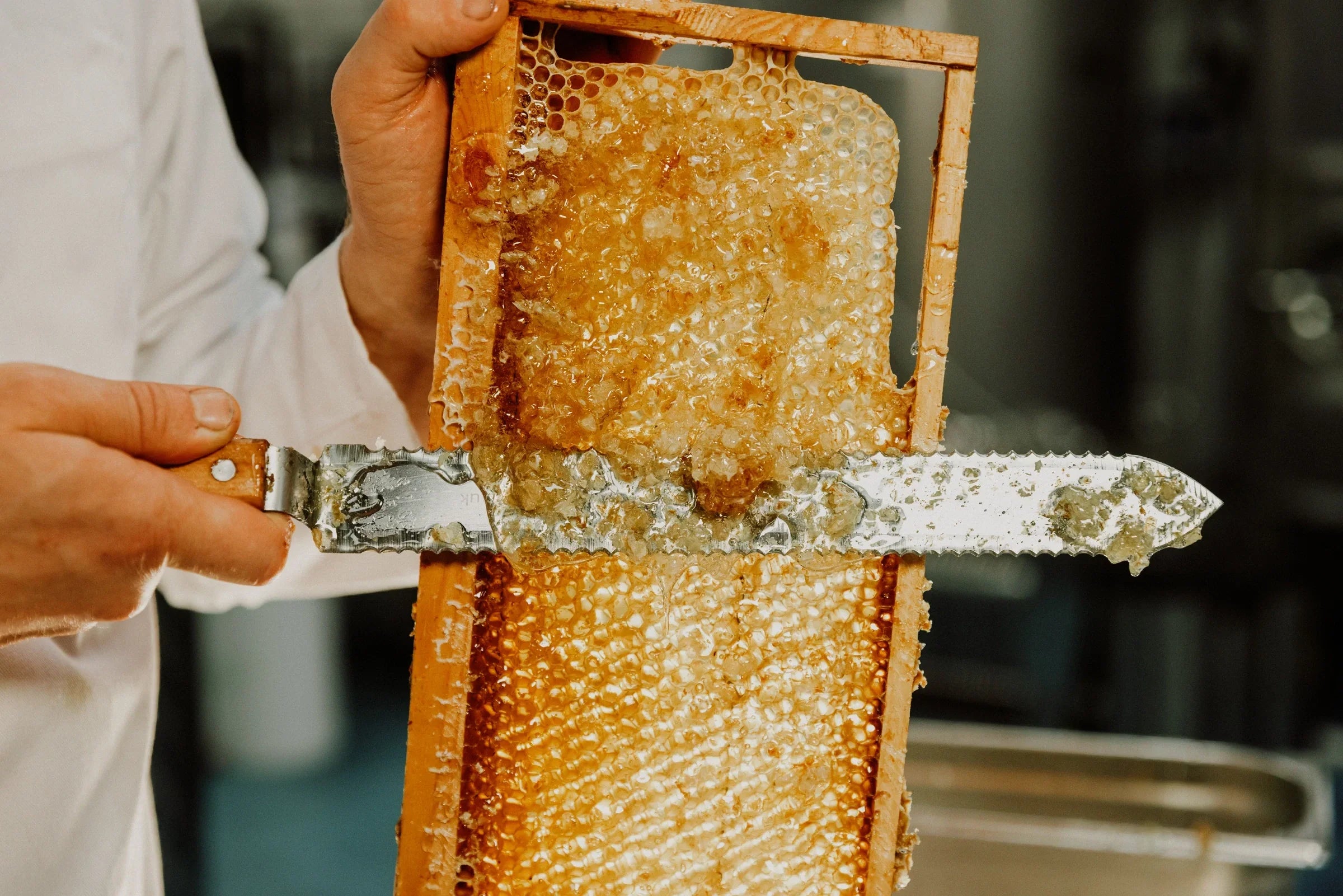
At Hive Mind Mead, our entire product depends on healthy bees and thriving hives, so bee conservation isn't just a nice idea, it's core to our business. Want to learn more about our approach? Visit our Sustainability and Beekeeping pages to see how we're doing our part.

Share: