

At Hive Mind Mead, honey is where everything starts. No honey, no mead. We dont use White wine, sugar or ethanol to make our mead. Honey is the bee all and end all. So it's worth asking: how do bees produce honey in the first place, and why do they bother? Plus, a question we hear a lot — do bumble bees make honey too, or is that a job just for honeybees?
How Do Bees Produce Honey?
Honey-making begins the moment a worker bee lands on a flower. Using her long, straw-like tongue (called a proboscis), she sips up nectar — a sugary liquid flowers produce to attract pollinators — and stores it in a special "honey stomach" separate from the one she uses to digest her own food.
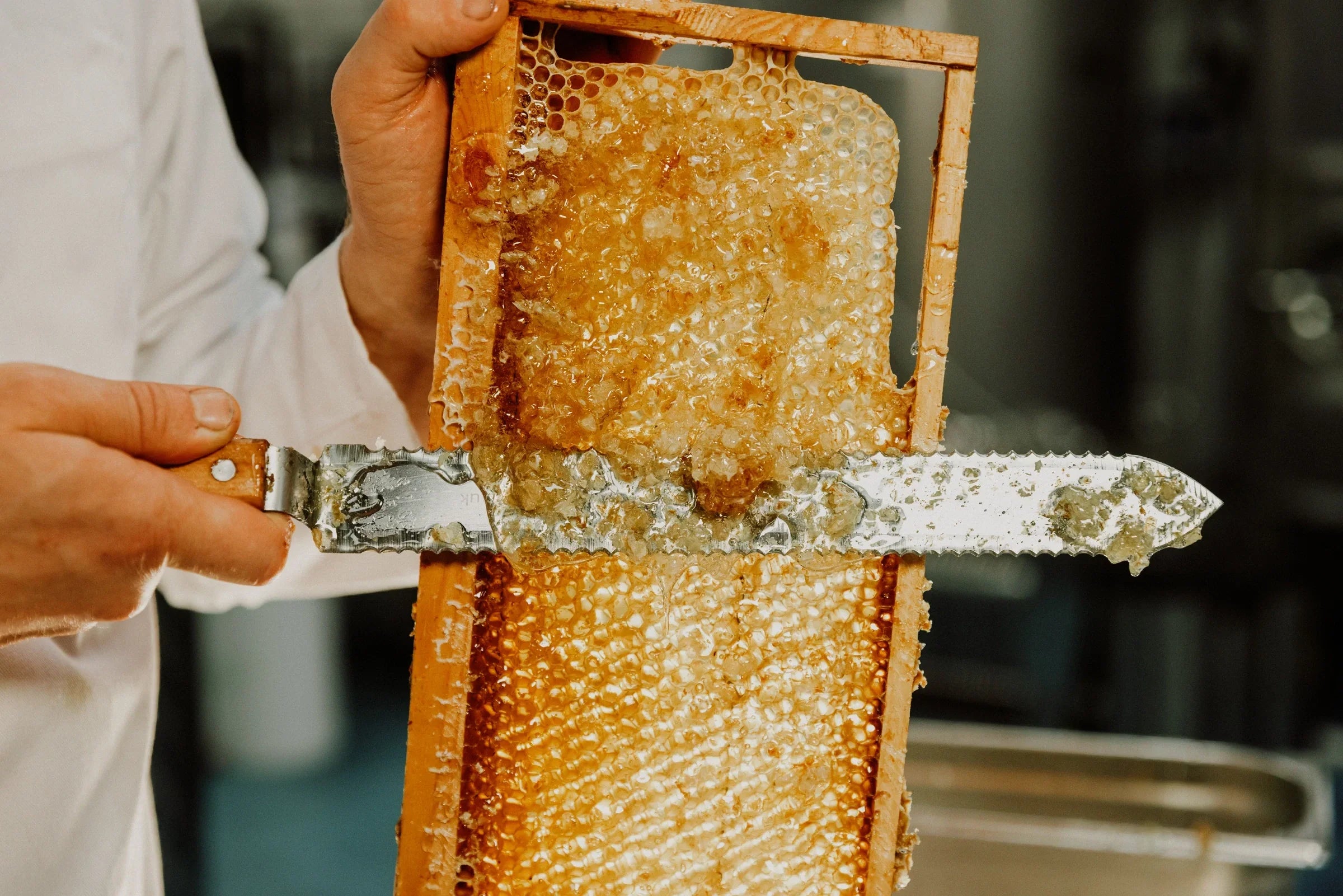
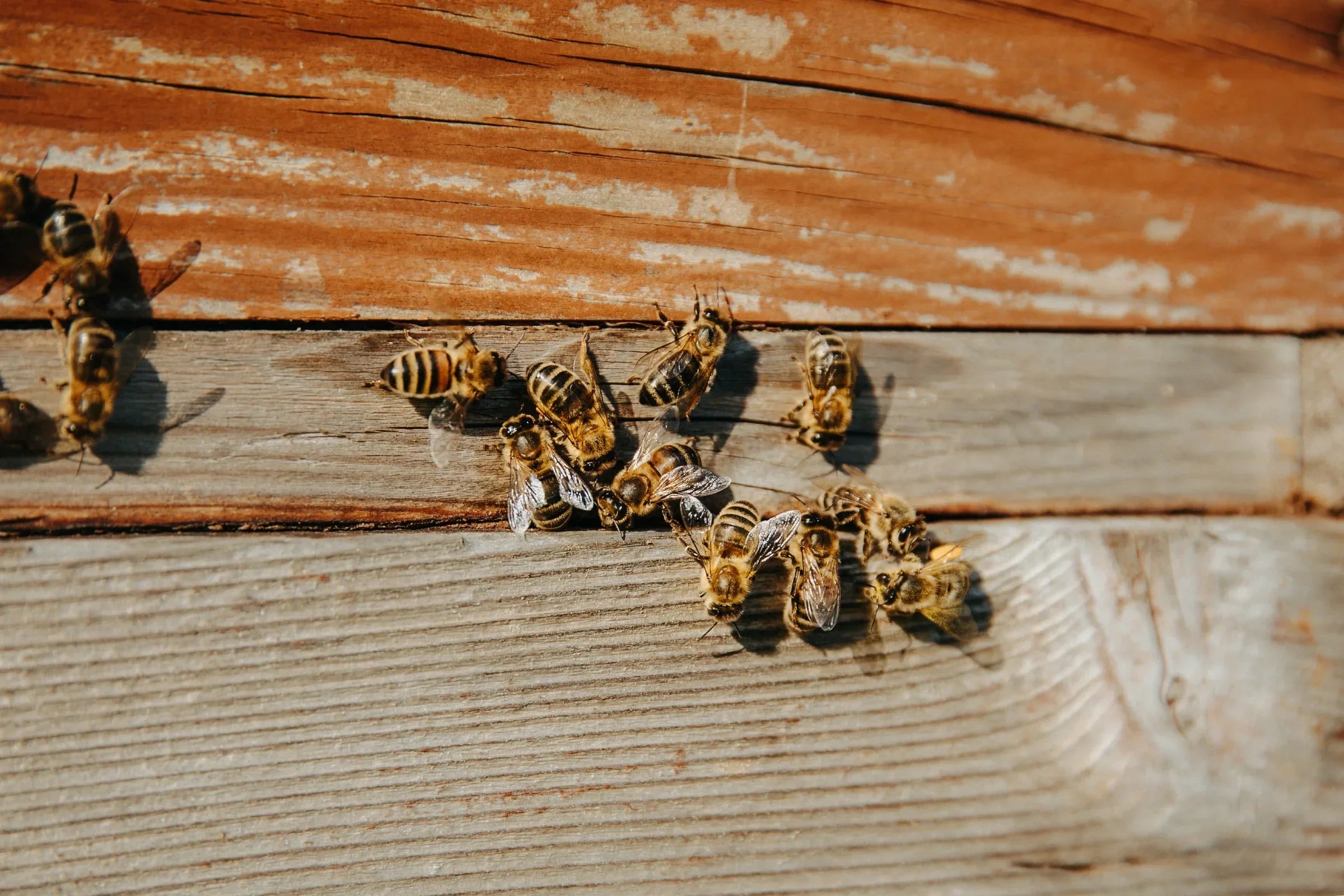
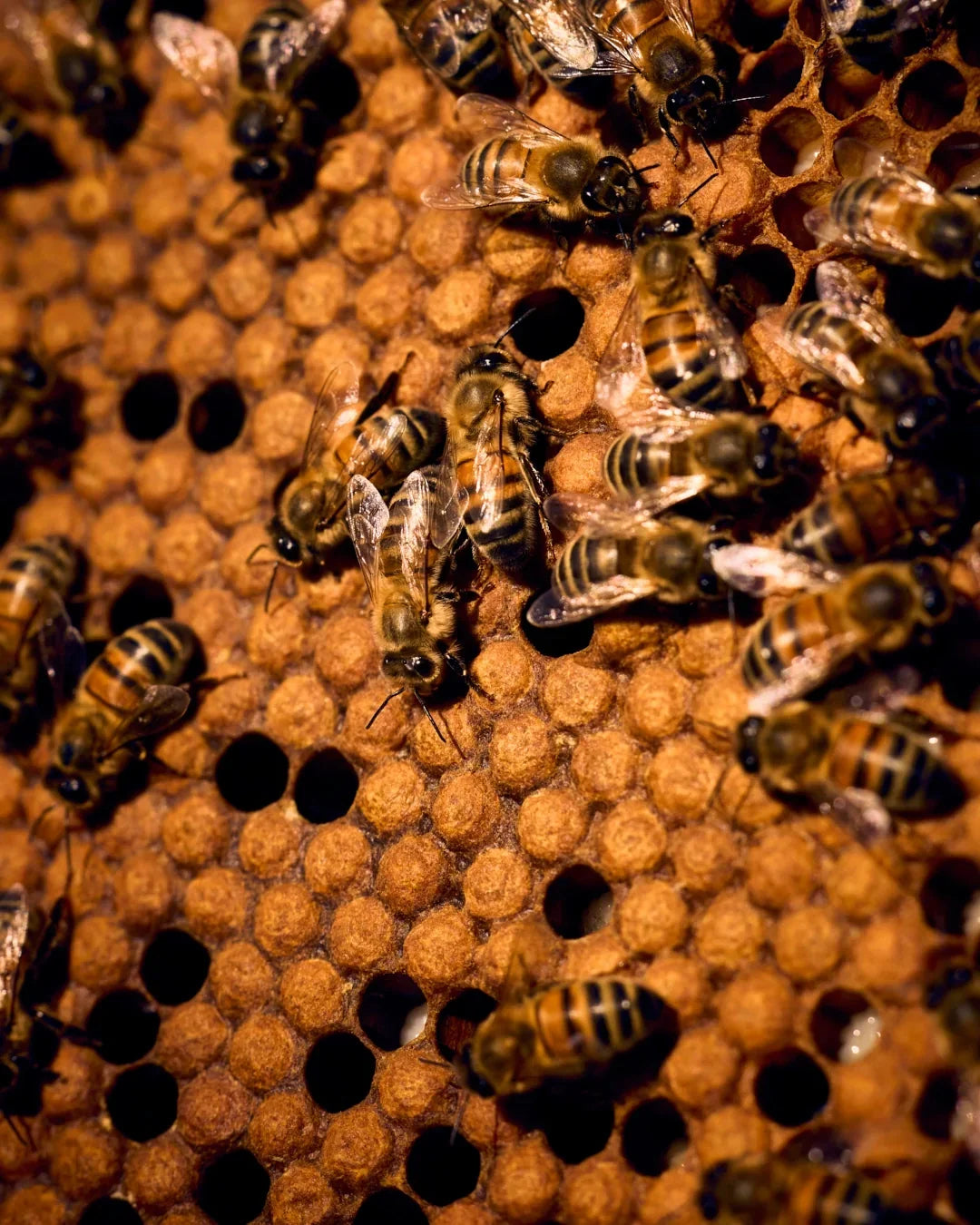
Back at the hive, she passes the nectar mouth-to-mouth to other worker bees in a process called trophallaxis. Each handoff adds enzymes that start breaking down the nectar's complex sugars into simpler ones. The bees then deposit the partially processed nectar into hexagonal wax cells.
From there, the real magic is evaporation. Bees fan their wings rapidly over the open cells, driving off excess moisture until the liquid thickens into honey. Once it reaches the right consistency, they cap the cell with a thin layer of wax, sealing in a food source that can last, quite literally, for centuries.
Why Do Bees Make Honey?
Bees don't make honey for us — that's just a happy side effect. They make it for survival. Unlike bumble bees, which live in small colonies of a few hundred that die off each winter, honeybee colonies can number in the tens of thousands and persist year-round. That means they need a stockpile of food to survive cold months and periods when flowers aren't blooming. Its a sticky packed lunch to see them through cold winter rain and snow. Read more about beekeeping in winter.
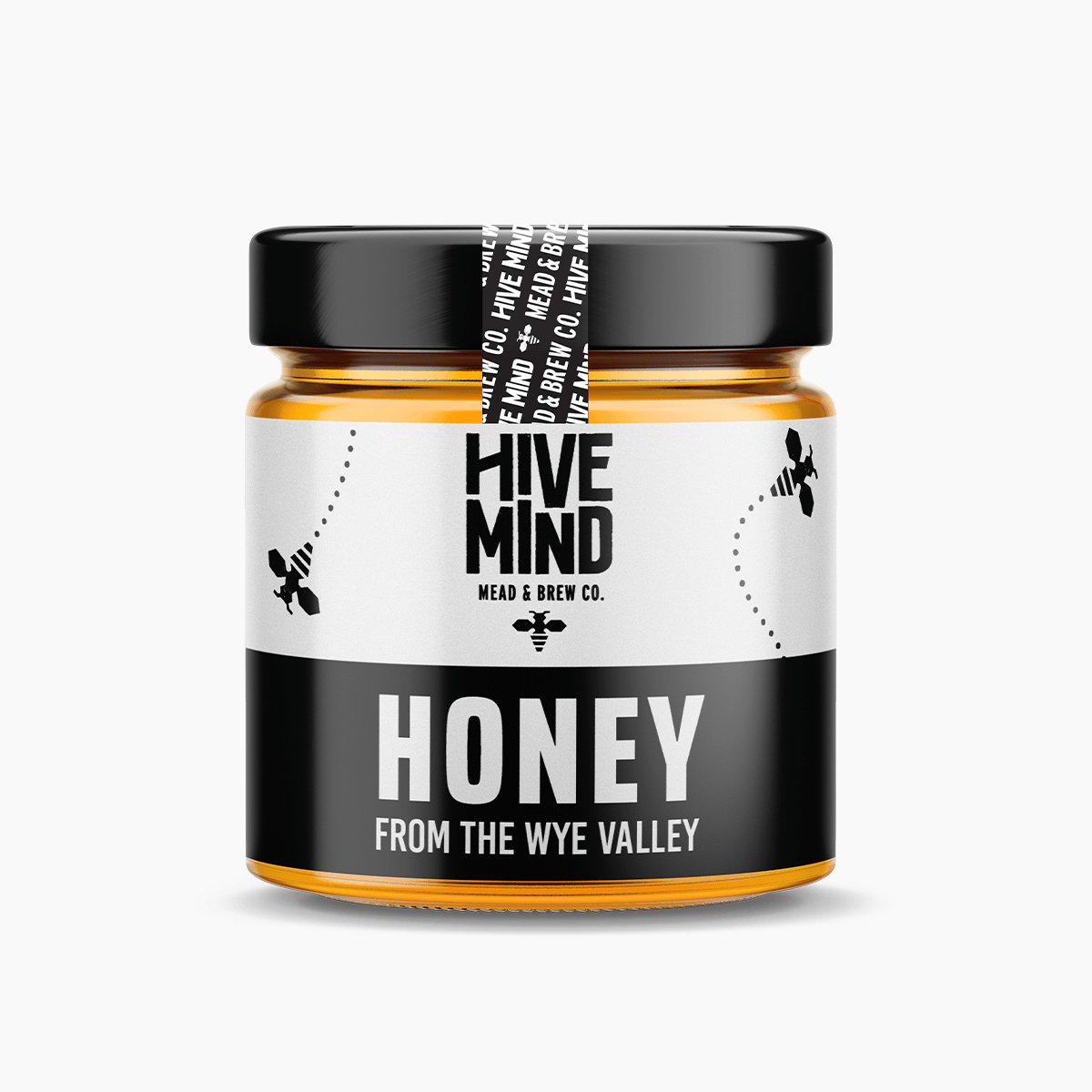
Honey is essentially concentrated, shelf-stable energy. Its low moisture content and natural acidity prevent bacteria and mould from growing, which is how archaeologists have found edible honey in ancient Egyptian tombs, the result of nectar from flowers that bloomed millenia ago, in habitats that have long since changed. For the colony, honey is the difference between starving in January and making it through to spring. Take a look at our Wye Valley honey.
Do Bumble Bees Make Honey?
Technically, yes — but not in any way you'd want to bottle. Bumble bees do produce a small amount of honey-like substance to feed their young, but their colonies are seasonal and much smaller, so they only make enough to last a few days, not months. It's also thinner and less concentrated than true honeybee honey. That's why virtually all commercial honey (and mead) comes from Apis mellifera, the Western honeybee, not bumble bees.
From Hive to Bottle
Every jar of honey represents an extraordinary amount of bee labour — it takes visits to roughly two million flowers to produce a single pound. A bee will only produce 1/16th of a teaspoon in is lifetime, and the stored honey will only make up 1/7th of the total honey processed by the hive. Many hands (and wings) make light work.
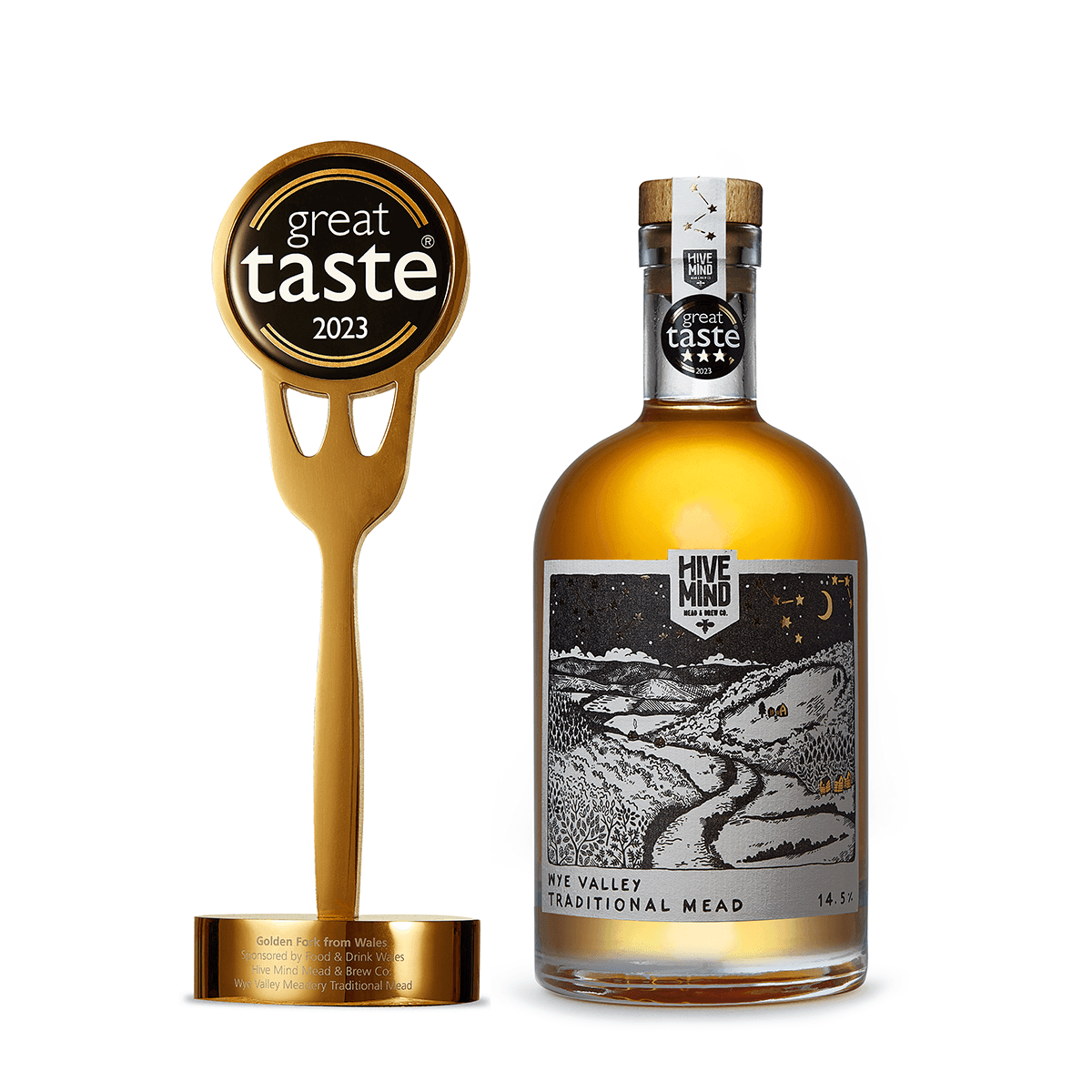
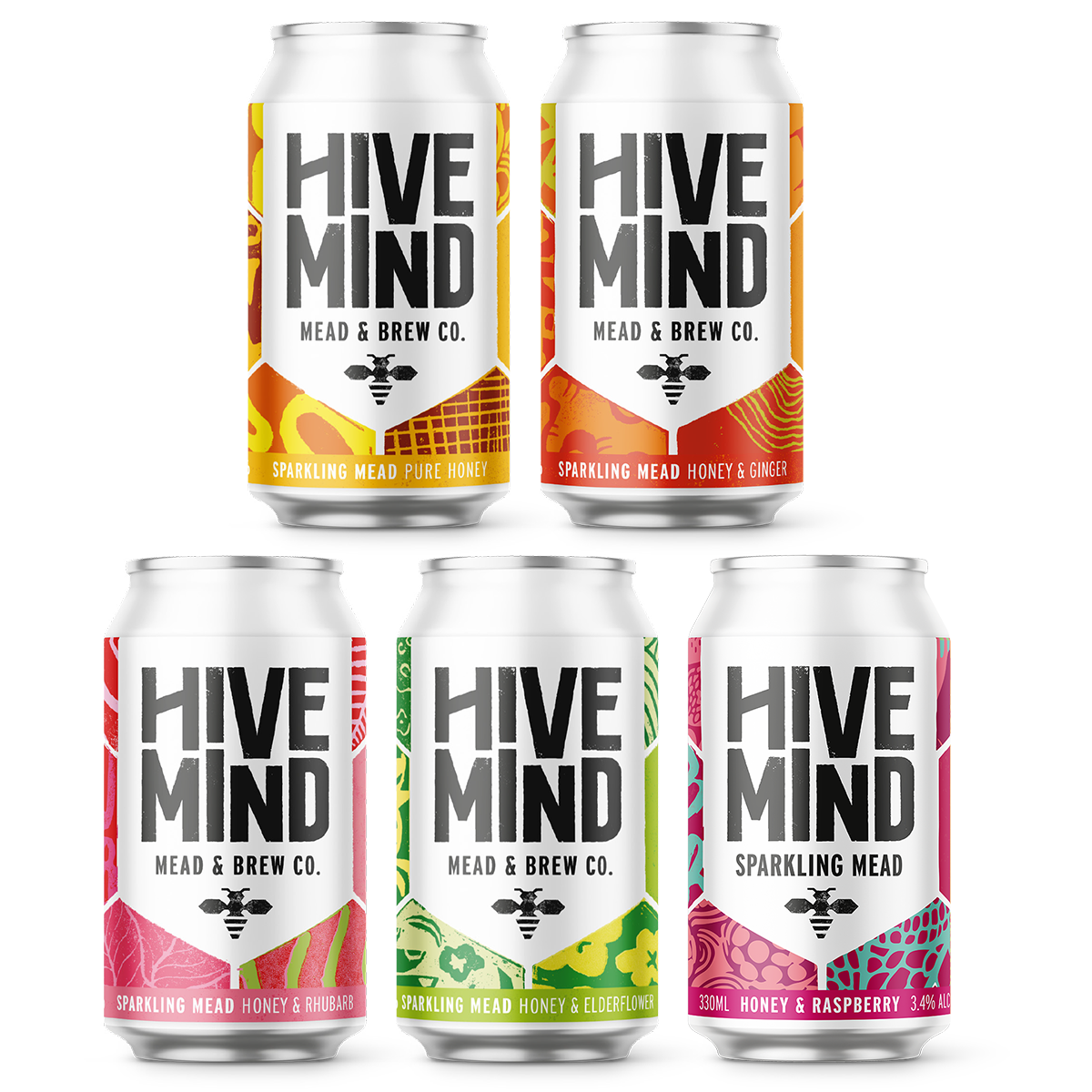
At Hive Mind Mead, we take that hard work seriously, sourcing natural honey and fermenting it into sparkling mead that honours the bees behind it. Curious how honey becomes mead? Check out our History of Mead page, or explore our range of naturally crafted sparkling meads in the shop.

Share: