
Bees are small, but their impact is enormous, from the food on our plates to the honey behind every bottle of mead we make. Here's why bees matter so much, and which flowers to plant if you want to give them a helping hand.
Why Are Bees Important?
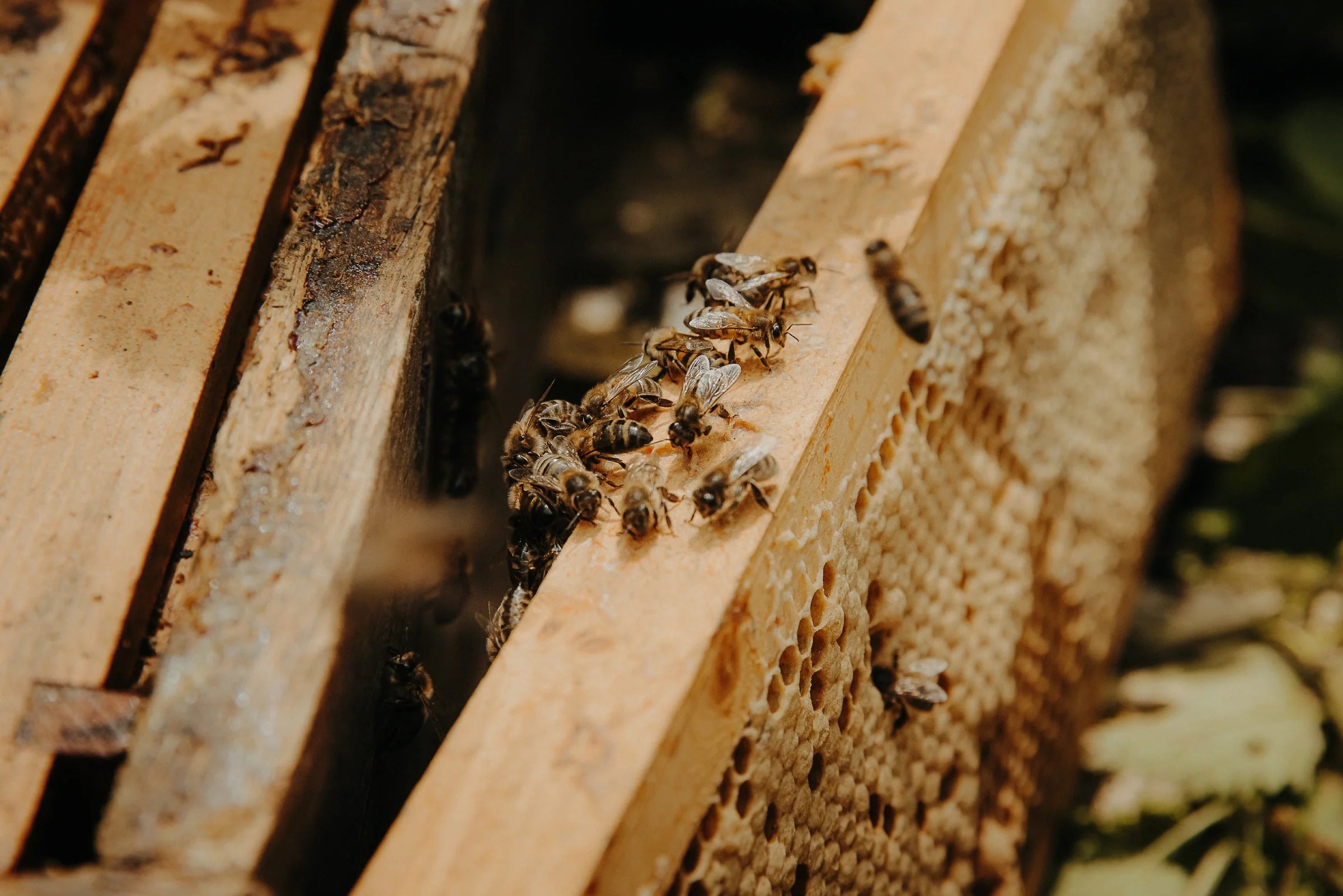
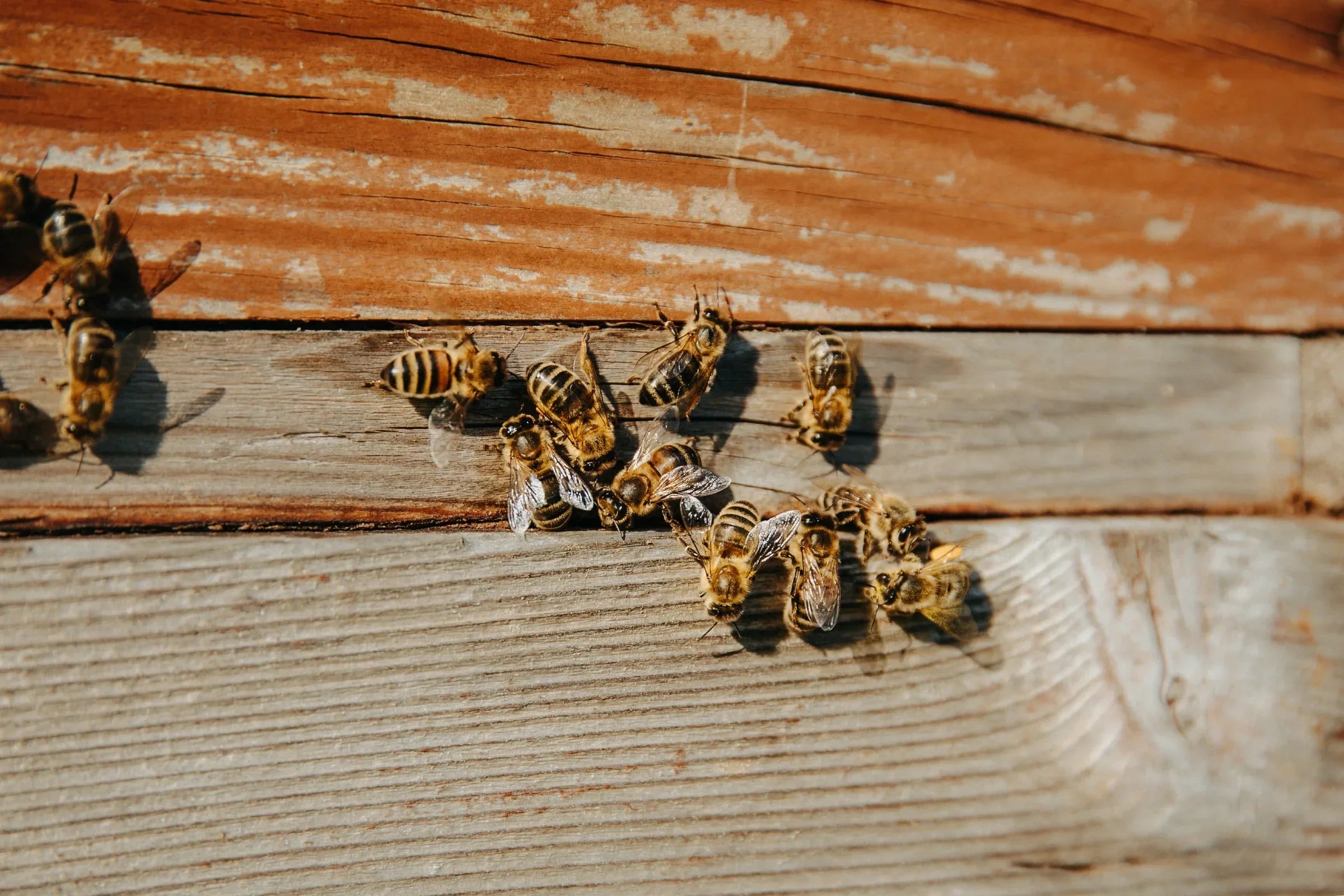
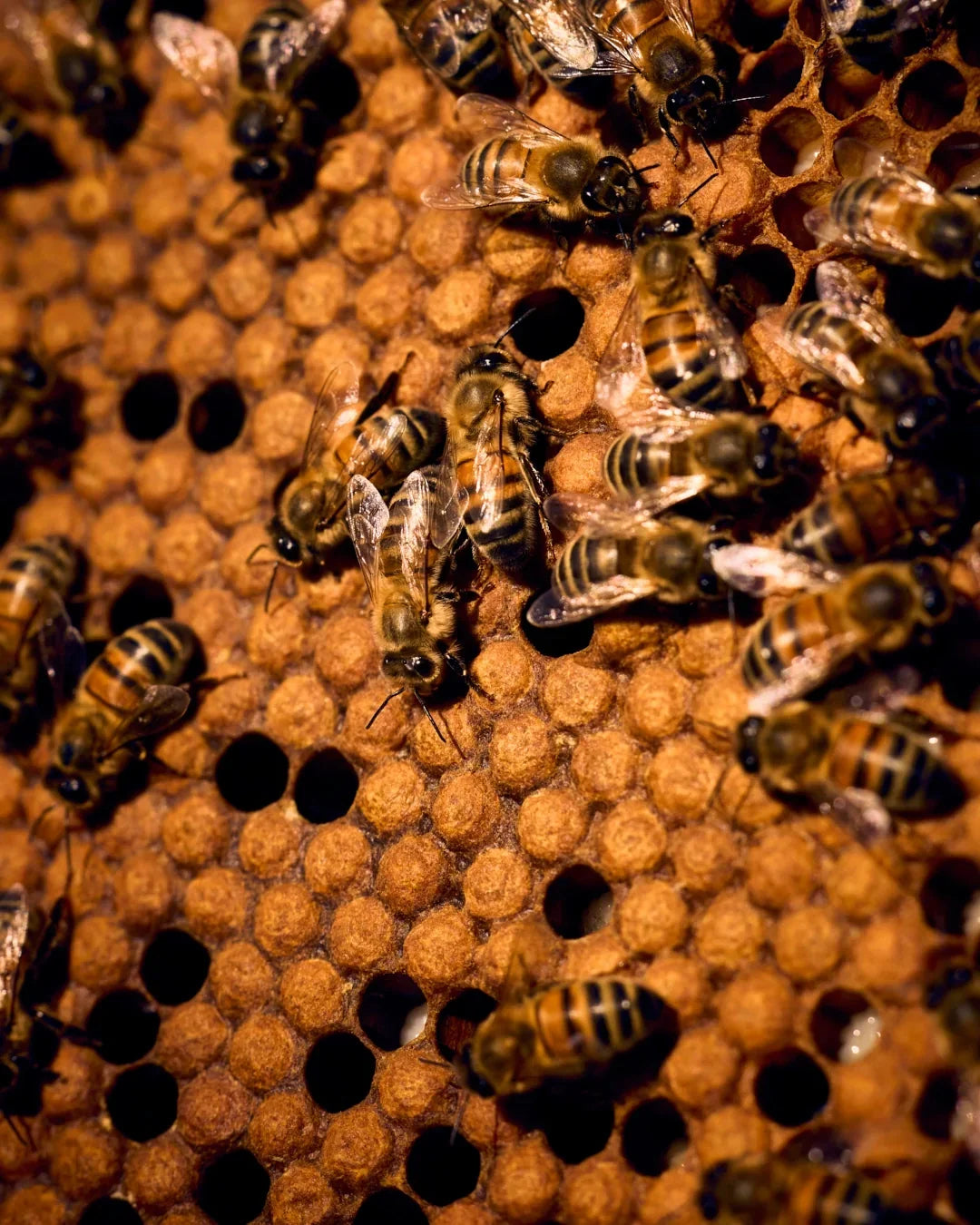
They pollinate our food. As bees move from flower to flower collecting nectar and pollen, they transfer pollen between plants, allowing them to fertilise and produce fruit, vegetables, nuts, and seeds. Roughly one in three mouthfuls of food we eat depends on pollinators, bees chief among them. Apples, strawberries, almonds, coffee, and countless other crops rely heavily on bee pollination.
They support entire ecosystems. It's not just farmed crops. Wildflowers, hedgerows, and trees also depend on bees to reproduce, which in turn provides food and habitat for birds, insects, and other wildlife. Losing bees doesn't just mean less food for us, it destabilises whole ecosystems.
They drive biodiversity. Different bee species have evolved alongside specific plants, some solitary bees pollinate only a handful of native flower types. That specialisation is part of what keeps ecosystems diverse and resilient. Read about how heatwaves affect bees.
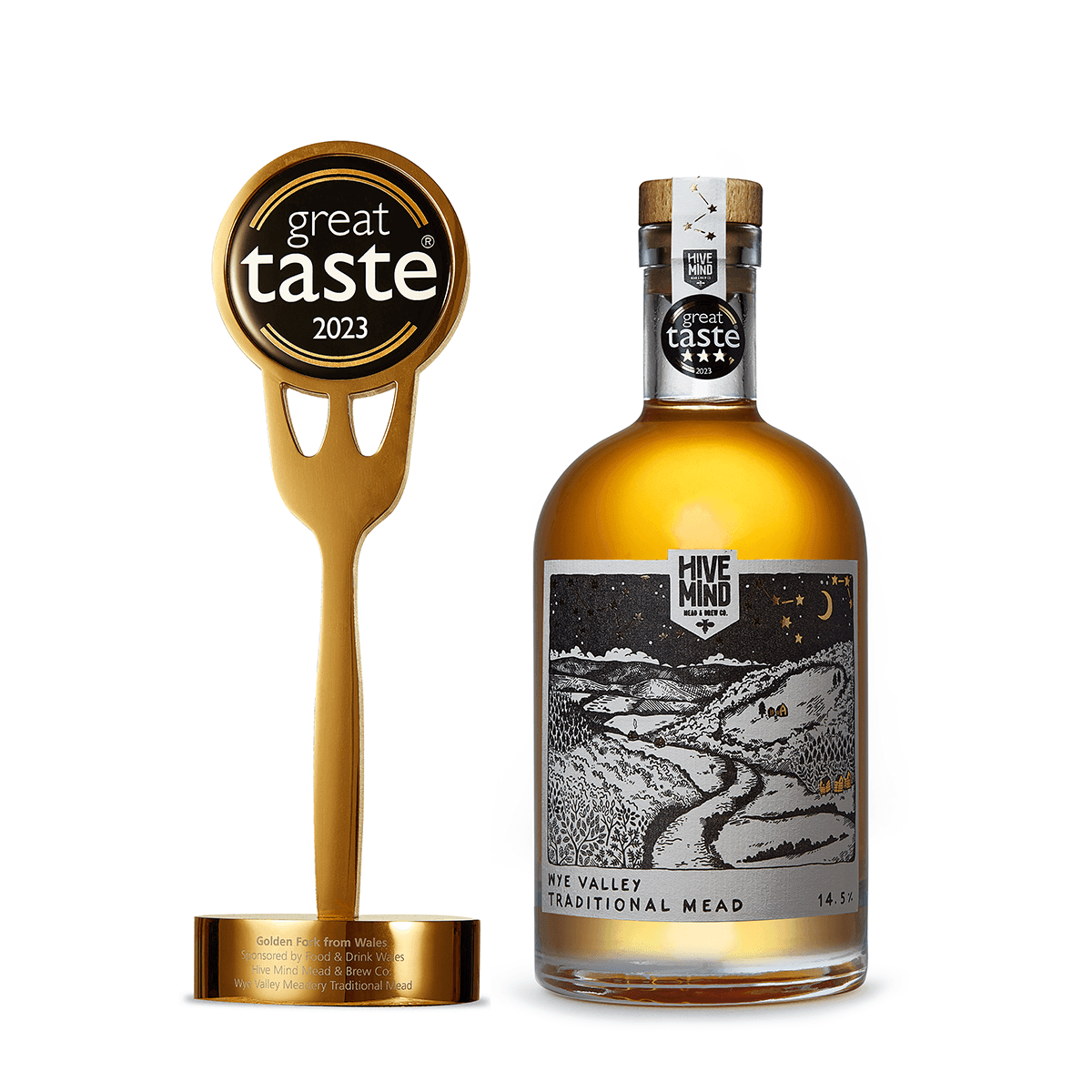
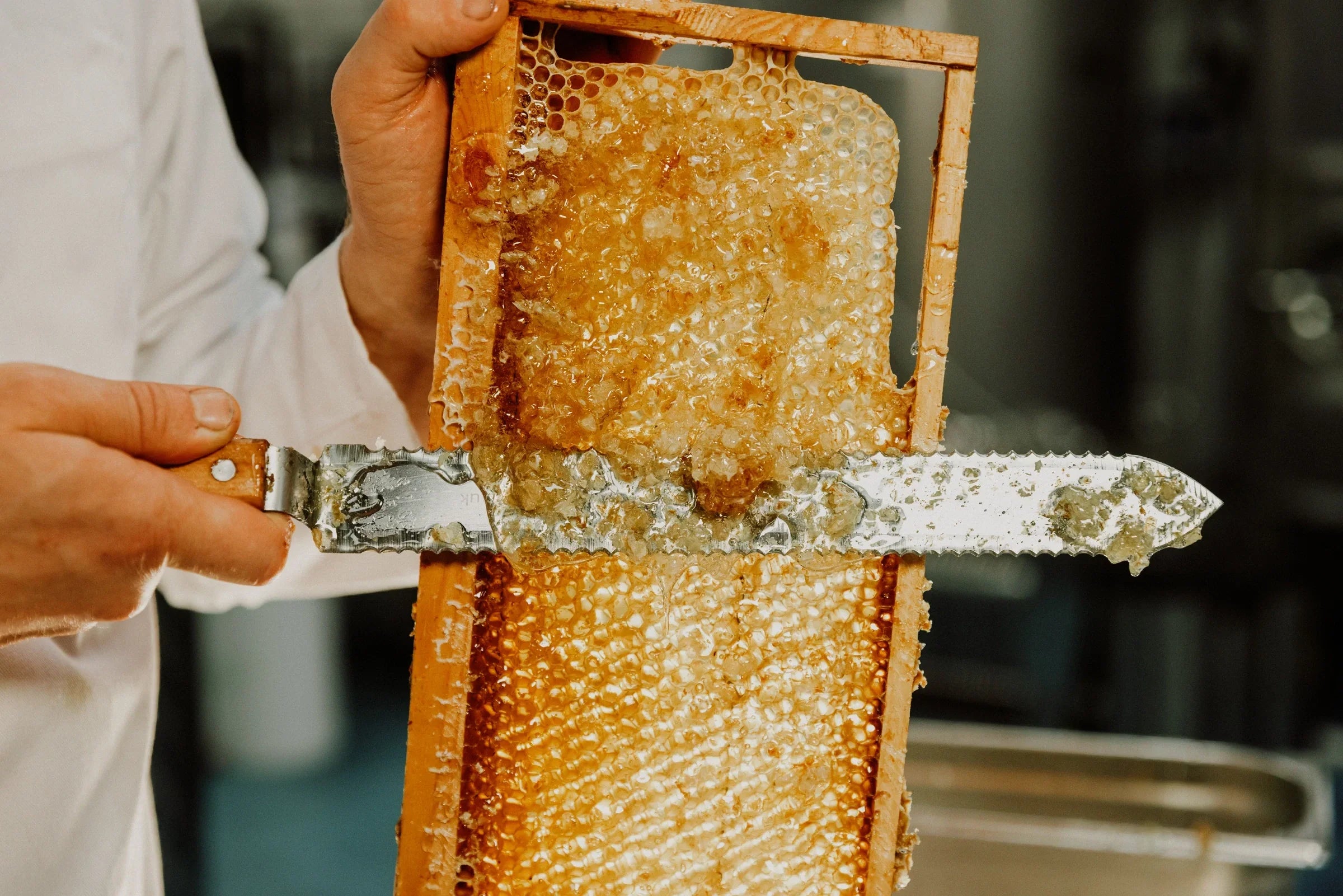
They're the foundation of honey and mead. Every jar of honey, and every bottle of mead, exists because bees converted nectar into something extraordinary. Without healthy bee populations, there's no honey, and without honey, there's no mead.
What Flowers Do Bees Like?
If you want to help bees while also enjoying a beautiful garden, the good news is their favourite flowers tend to be the ones we love too. Avoid flowers with double petals, bees like a simple flower with accessible nectar and pollen. Here are a few of our favourites:
Lavender. A bee magnet from early to late summer, lavender is fragrant, drought-tolerant, and easy to grow in borders or pots.
Borage. Known as a "bee plant" for good reason, borage produces nectar-rich blue star-shaped flowers almost constantly once established. You can also add the flowers to salads for a fresh hint of cucumber!
Foxgloves. Their tall, tubular flowers are perfectly shaped for bumble bees in particular, offering a deep source of nectar which is often only accessible to bumblebees with long tongues.
Wildflowers. A mix including poppies, cornflowers, and ox-eye daisies mimics a bee's natural foraging habitat and supports a wide range of species. Let them seed before trimming for next years supply.
Crocuses and snowdrops. These early bloomers matter more than people realise, as they give bees a vital food source right after winter, when little else is flowering.
Sedum and asters. Save some space for autumn-flowering plants like these to keep feeding bees as the season winds down.
The key to a genuinely bee-friendly garden is variety and continuity: aim for something in flower from early spring through to autumn so bees always have a food source available. Learn about how to encourage bees into your garden.
Doing Our Bit
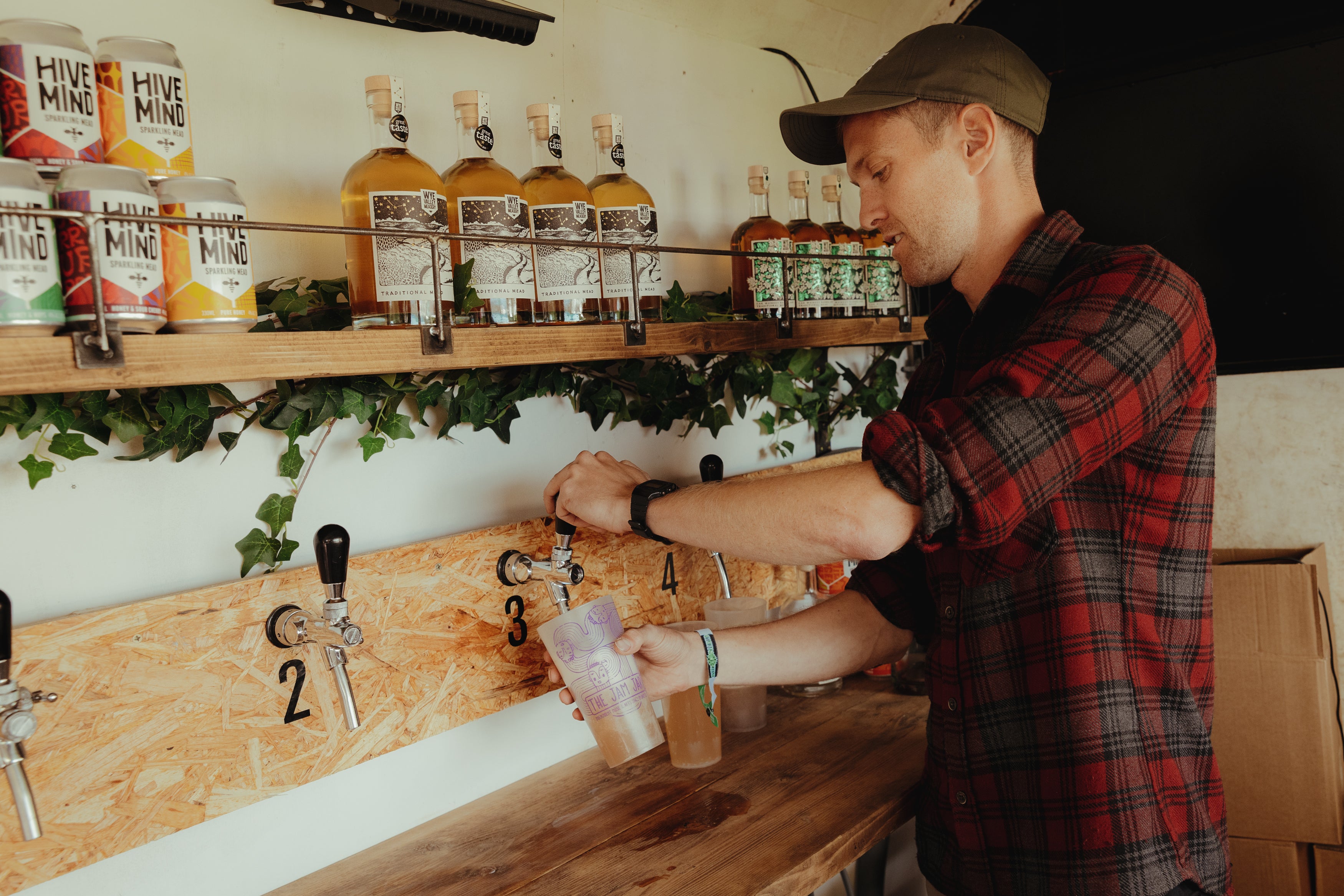
At Hive Mind Mead, we know our meads only exist because of healthy, thriving bee populations. That's why supporting bees is baked into how we work. Explore our Beekeeping and Sustainability pages to see it in action.

Share: