


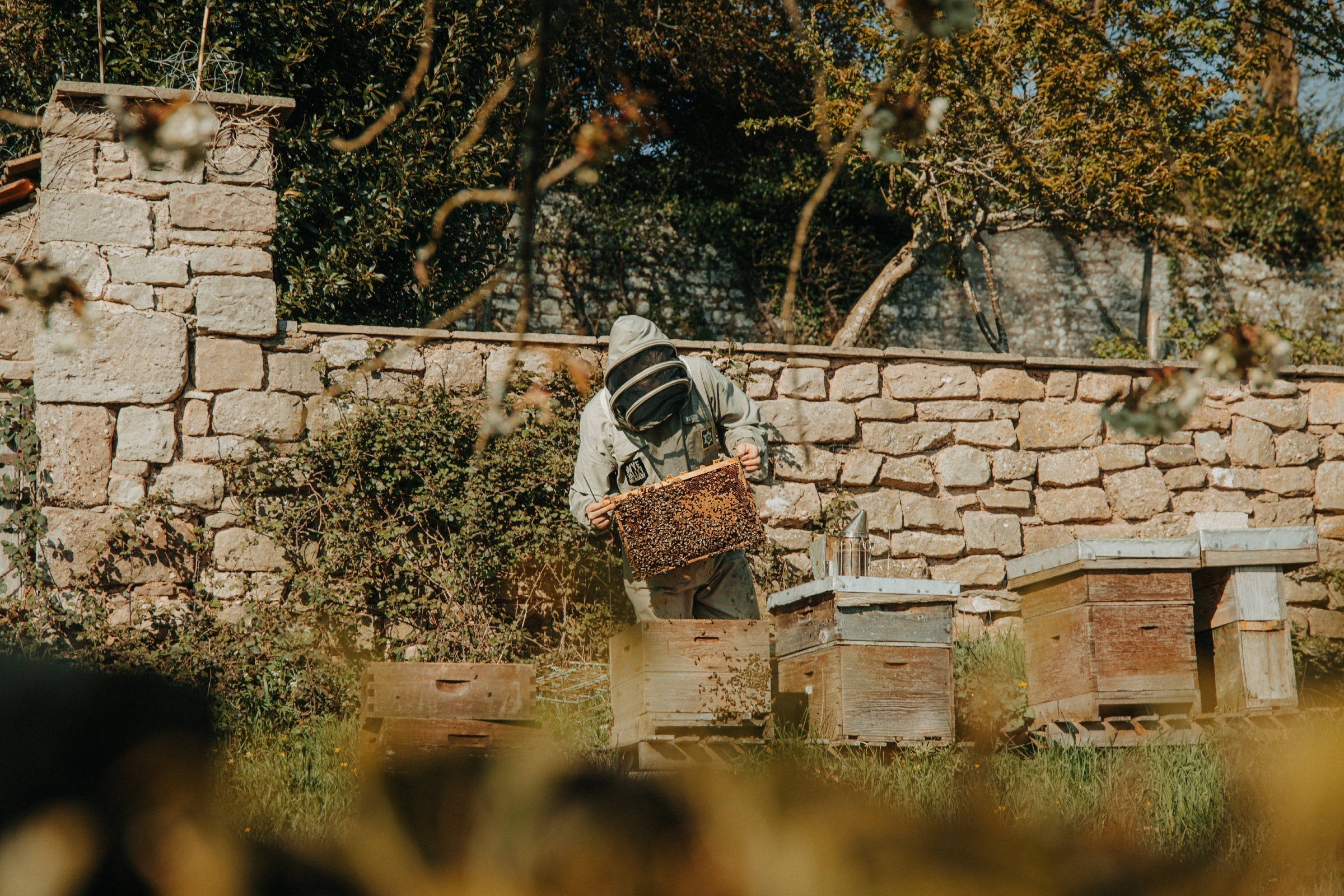
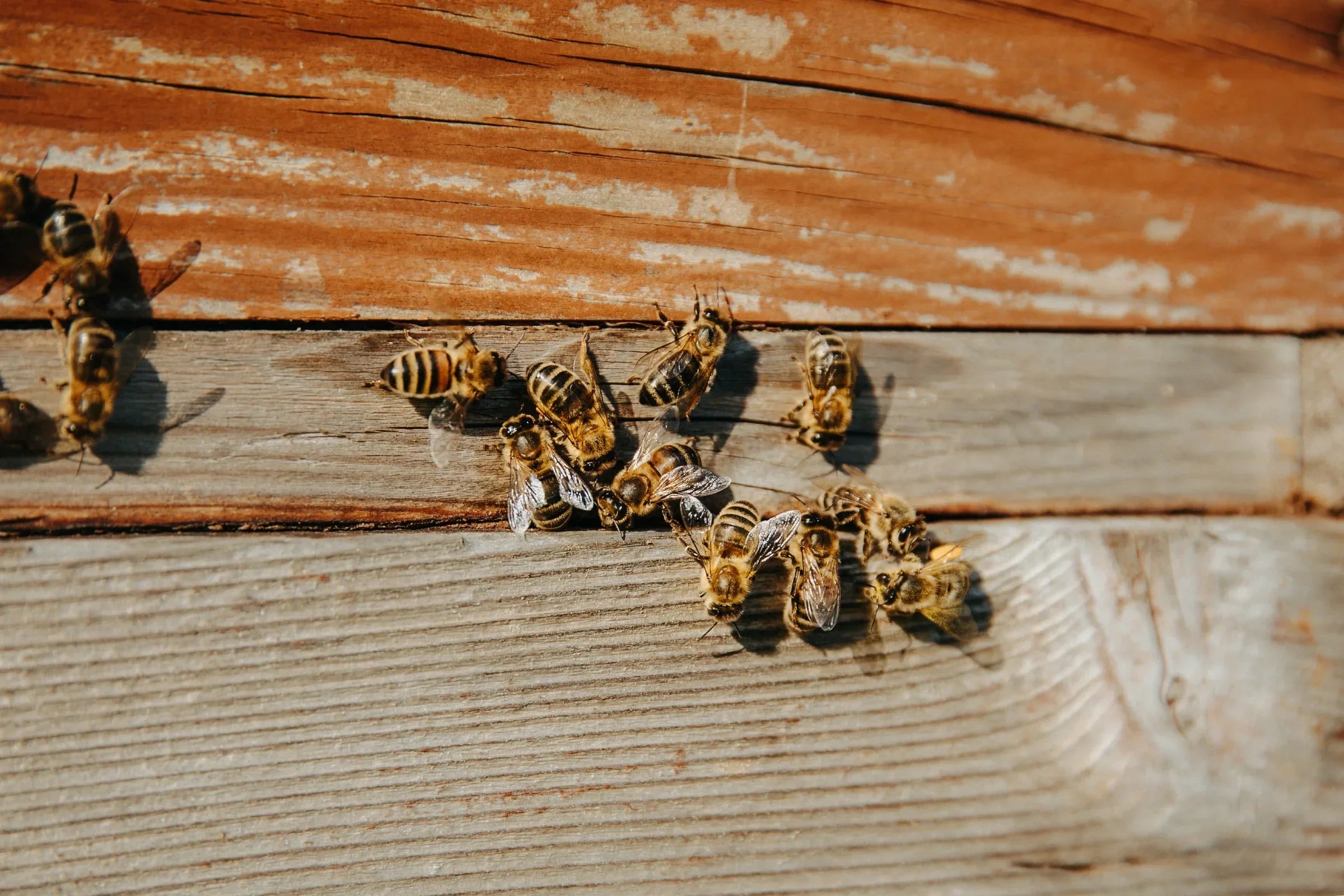
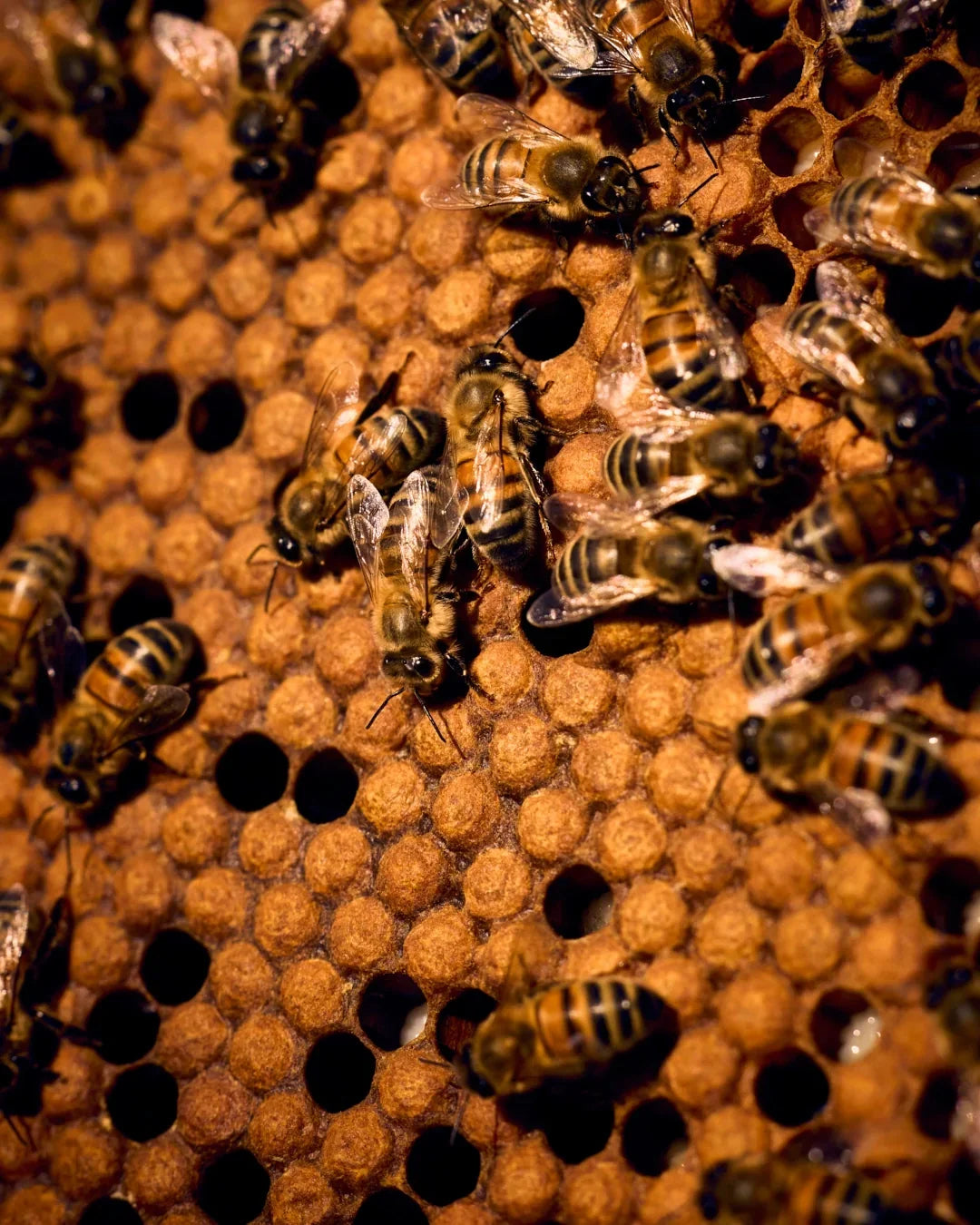
We all know bees are important - but just how much do you really know about these incredible pollinators? At Hive Mind Mead, we work with our own hives and are constantly fascinated by the tiny but mighty creatures that help produce the honey for our meads.
Here are some surprising bee facts you probably didn’t know - perfect for impressing your mates down the pub over a mead or two, or sharing on your next countryside walk.
🐝 10 Surprising Bee Facts You Probably Didn’t Know
1. There are over 270 species of bee in the UK
When most people think of bees, they picture the classic honeybee - but the UK is home to more than 270 different bee species, including bumblebees, mining bees, and mason bees.
2. Honeybees can communicate by dancing
Yes, really! Honeybees perform what’s known as the ‘waggle dance’ to tell their hive mates where to find food. The direction and speed of the dance indicates the location and distance of the flowers.
3. A single honeybee makes about 1/12th of a teaspoon of honey in its lifetime
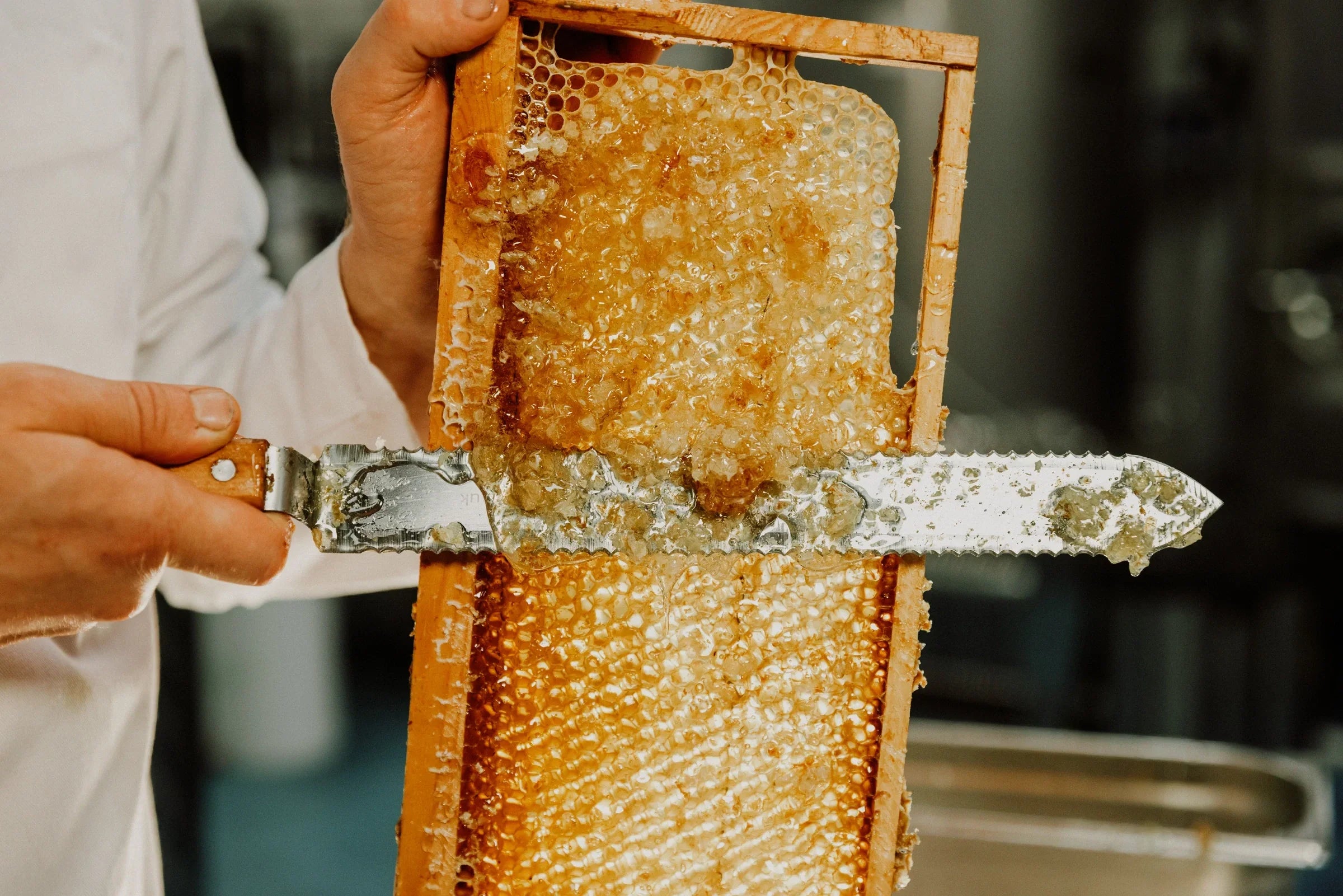
That’s why every drop of honey is so precious. It takes around 12 bees a lifetime to make just one teaspoon of honey.
4. Bees see the world very differently to us
Bees can see ultraviolet (UV) light, which helps them spot patterns on flowers invisible to the human eye. These patterns guide them straight to the nectar.
5. Only female bees can sting
In most bee species, only the females are capable of stinging. The males, known as drones, don’t have a stinger at all.
6. Bumblebees can fly in colder weather than most insects
Thanks to their furry bodies and the ability to warm up their flight muscles, bumblebees can forage in temperatures as low as 10°C, when other insects stay tucked away.
7. Bees pollinate around a third of the food we eat
From apples and strawberries to nuts and tomatoes, one in every three mouthfuls of food depends on pollinators like bees. No bees, no berries!
8. Queen bees can lay up to 2,000 eggs a day
A healthy queen bee can lay between 1,500 and 2,000 eggs every single day during peak season to keep the hive thriving.
9. Honey never really goes off
Archaeologists have discovered pots of honey in ancient Egyptian tombs that are over 3,000 years old - and still edible. It’s naturally antibacterial and preservative-free.
10. Bees have five eyes
That’s right - bees have two large compound eyes and three smaller simple eyes on top of their head, helping them navigate, detect light, and stay safe from predators.
🍯 Why We Care About Bees
At Hive Mind Mead and Brew Co, bees aren’t just part of our business - they’re part of our countryside. Our own hives help produce the honey we use in our meads, and we’re passionate about protecting pollinators by supporting wild habitats and working sustainably.
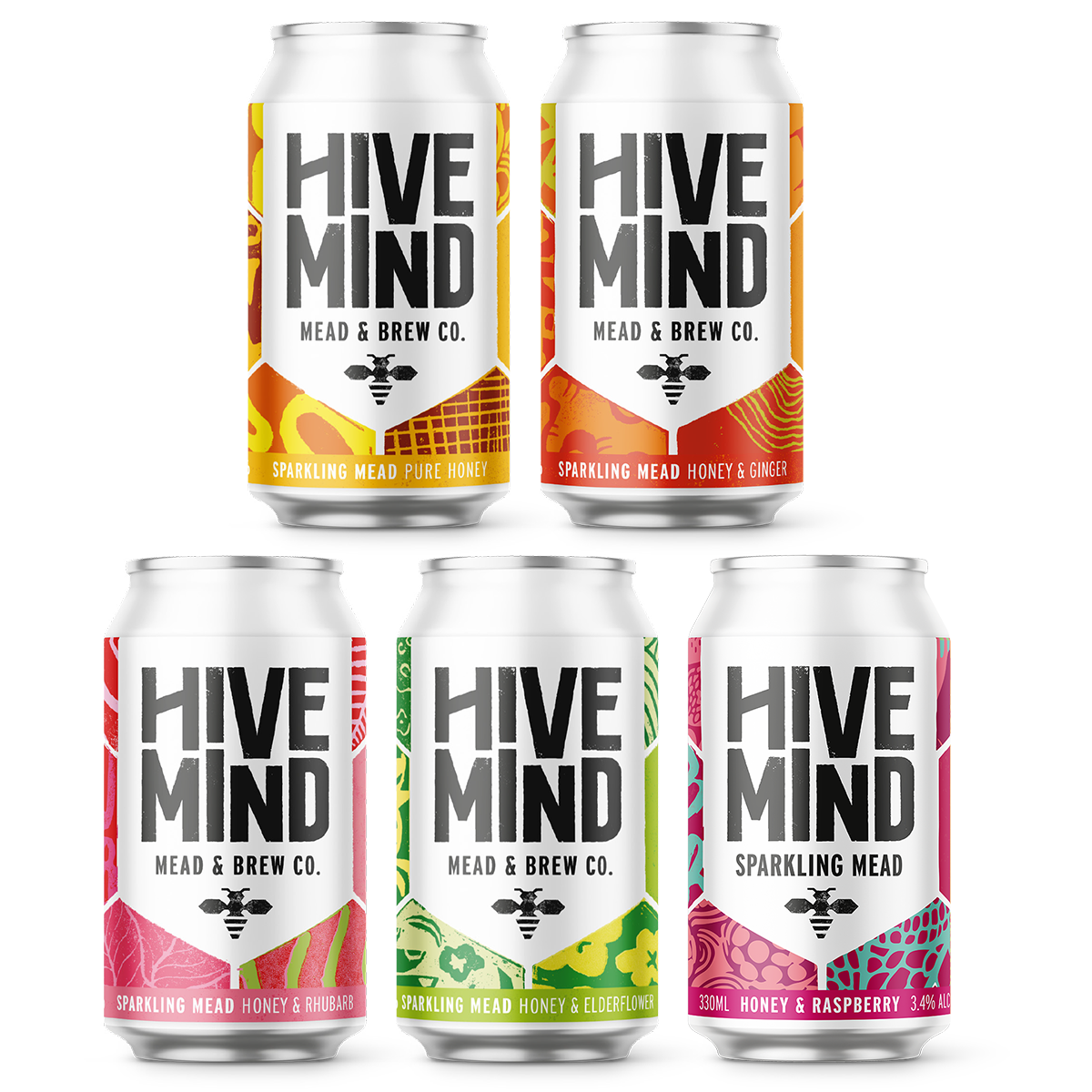
If you love bees as much as we do, check out our range of honey-based drinks or learn more about how to make your garden bee-friendly.




Share: